‘Right people’ will enter US: Donald Trump’s remark on visa controversy sparks social media debate | FIFA World Cup 2026
Donald Trump’s 'Right People Enter US' Remark Sparks Debate Over FIFA World Cup 2026 Visa Policies Right people will enter US - Donald Trump’s assertion that
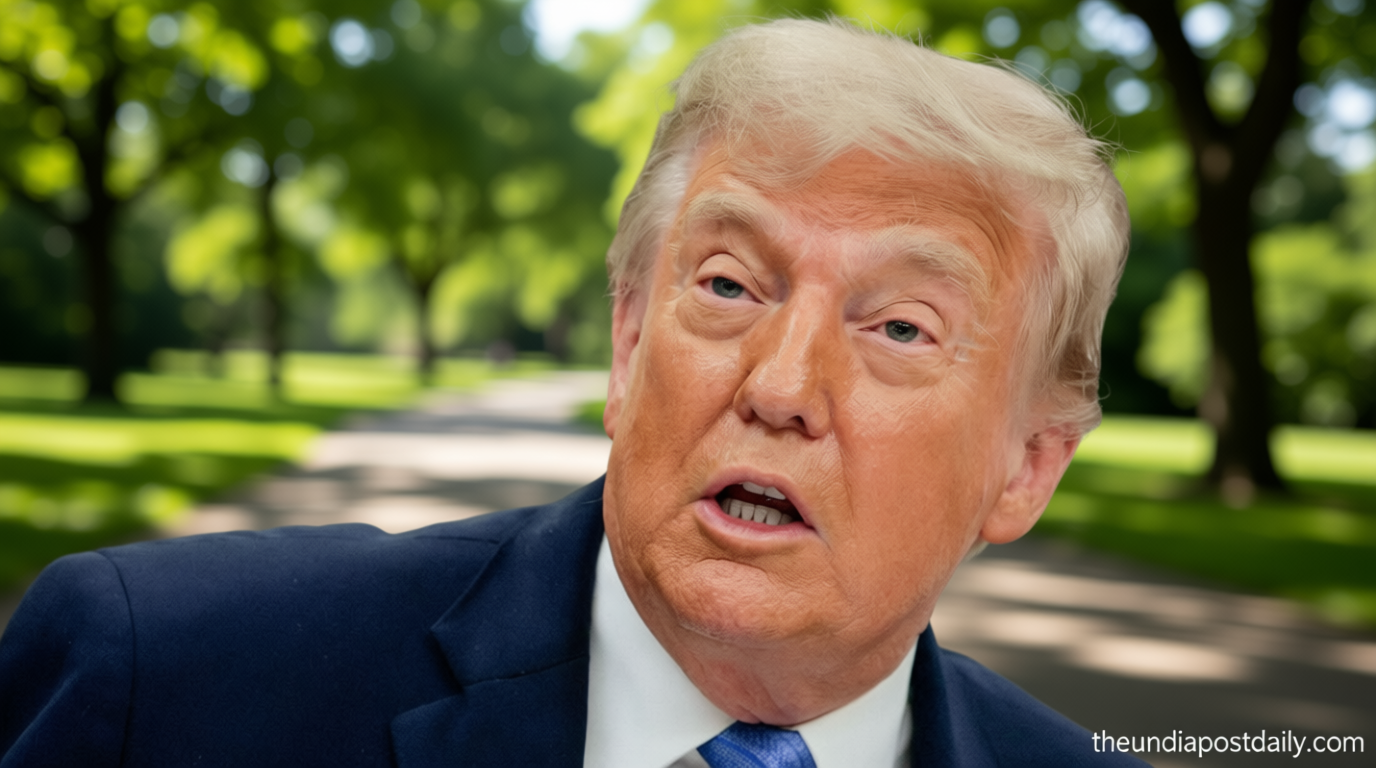
Donald Trump’s ‘Right People Enter US’ Remark Sparks Debate Over FIFA World Cup 2026 Visa Policies
Theindiapostdaily.com – Donald Trump’s assertion that “the right people will enter the US” has ignited a fierce online discourse as the FIFA World Cup 2026 draws near. The statement, made amid concerns about visa denials for international teams, highlights the tension between U.S. immigration policies and the global football event. With the tournament set to kick off on 12 June, the controversy has reached a boiling point, as teams from various regions struggle to secure entry for their players and officials.
Trump’s Stance on Immigration and the World Cup
President Donald Trump emphasized that federal agencies are working closely to ensure the “right people will enter the US,” framing the visa issue as a matter of national security. His remarks came during a press briefing, where he also praised the World Cup’s potential success, citing record-breaking ticket sales. “This is a historic World Cup,” he said, “with unprecedented demand for matches and a surge in fan enthusiasm that’s hard to believe.”
“We’re working on it very closely to make sure the right people come into our country,” Trump added, underscoring his belief that the U.S. is effectively managing its borders. The statement, however, has been met with skepticism, as critics argue it overlooks the complexities of international travel and the human impact of stringent entry requirements.
Visa Denials and Global Team Challenges
The visa controversies have affected multiple national teams, with some players and officials forced to alter their travel plans. Iran’s 13 administrative staff members were denied entry, necessitating a relocation of their training camp to Tijuana, Mexico. Somalia’s 2025 African Referee of the Year, Omar Abdulkadir Artan, faced an 11-hour interrogation at Miami airport, while Iraq’s star striker Aymen Hussein was detained for seven hours at Chicago O’Hare. These incidents have raised concerns about the fairness of U.S. border procedures.
“The World Cup is yet to start, and our OG is calling it success, the World Cup that’s generating more chaos every day,” one social media user remarked. This sentiment reflects the frustration of teams whose players are unable to attend matches due to visa restrictions. For instance, the controversy has impacted Senegal and Uzbekistan players, who were subjected to tarmac pat-downs and canine inspections during their arrivals.
Social Media Fallout and Public Perception
Online platforms have become a battleground for public opinion, with users criticizing Trump’s comments as dismissive of the challenges faced by international visitors. One tweet questioned the definition of “right people,” suggesting it might exclude fans and supporters from key regions. “So, basically, it’s not your fault, Trump. It’s Gianni Infantino, the FIFA president, for accepting the bid for America to host the World Cup,” another user tweeted, highlighting the perceived contradiction between the U.S. and FIFA’s goals.
“His answers never make any sense,” remarked a third user, who criticized Trump’s statements as inconsistent. The debate has also drawn comparisons to previous immigration policies, with some arguing that the current approach mirrors the restrictions imposed during the 2017 travel ban. This has led to a broader discussion about how U.S. policies might influence the World Cup’s global appeal.
Impact on Fan Experience and Tournament Dynamics
The visa issues extend beyond teams, affecting the overall fan experience. Ticket holders from Iran, Morocco, Haiti, and the Ivory Coast are now stranded, unable to attend matches due to travel bans. This has raised questions about the accessibility of the World Cup for international supporters, many of whom have contributed to the event’s global excitement. “The right people will enter US” policy, while framed as a security measure, has inadvertently created logistical hurdles for fans.
Travel agencies have reported a spike in cancellations, with some international supporters opting to miss matches altogether. The disruption has also impacted local and global media coverage, as journalists struggle to reach key players and officials. “The World Cup is about bringing people together, not excluding them,” one commentator noted, emphasizing the irony of the situation.
FIFA’s Response and the Path Forward
FIFA President Gianni Infantino acknowledged the challenges, calling the event a “World Cup of chaos.” He stressed that the tournament’s success depends on seamless international coordination, yet the U.S. remains steadfast in its security approach. Despite these obstacles, Infantino expressed confidence in the event’s ability to overcome logistical hurdles, stating, “We are committed to ensuring the World Cup is a celebration for all fans, regardless of their origin.”
As the tournament approaches, the debate over visa policies continues to evolve. While Trump’s focus on the “right people will enter US” narrative aims to reassure the public, it has also sparked a deeper examination of how immigration policies shape global events. The World Cup 2026 may serve as a test case for balancing security with accessibility, with its outcome likely to influence future international collaborations.