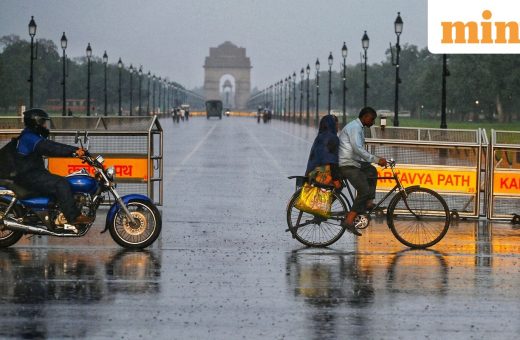
Petrol and diesel prices today, August 15: Check rates in Delhi, Kolkata, Mumbai, Chennai, Bengaluru
Petrol and diesel prices today remain unchanged across India's major metropolitan cities on Saturday, August 15, 2026. Global crude oil markets experienced
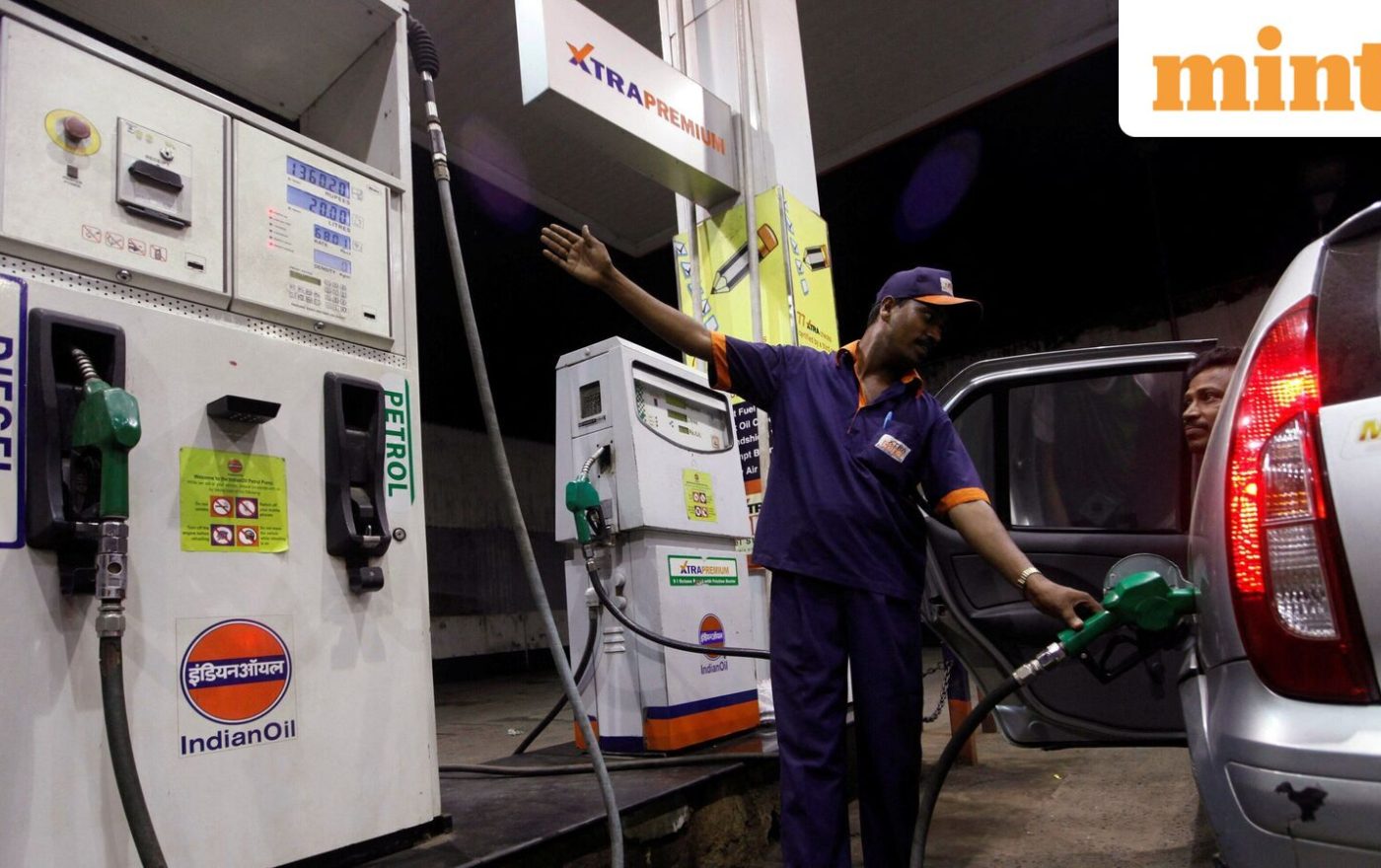
Petrol and Diesel Prices Today: August 15 Rates Across Major Indian Cities
Theindiapostdaily.com – Petrol and diesel prices today remain unchanged across India’s major metropolitan cities on Saturday, August 15, 2026. Global crude oil markets experienced upward momentum on Friday, with prices climbing above the $1-per-barrel mark amid ongoing diplomatic friction between Washington and Tehran. Meanwhile, domestic fuel costs in Delhi, Mumbai, Kolkata, Chennai, and Bengaluru held steady, providing relief to consumers who had been monitoring international developments closely.
Delhi Fuel Rates and Premium Variants
In the national capital, consumers continue to pay ₹102.12 for each litre of petrol and ₹95.20 for diesel. The premium ethanol-free XP100 variant is currently priced at ₹167.35 per litre in Delhi. Standard XP95 petrol maintains a rate of ₹109.24 per litre, offering a mid-range option for drivers seeking enhanced performance without the premium cost of XP100.
XP95 represents a 95-octane blend containing approximately 20 percent ethanol, typically retailing between ₹105 and ₹115 per litre for conventional high-compression automobiles. XP100 serves as an elite 100-octane, zero-ethanol fuel designed for luxury sports cars and high-performance vehicles, with market prices hovering around ₹160 to ₹170 per litre. These premium variants have gained popularity among automotive enthusiasts seeking better engine performance and fuel efficiency.
International Crude Performance and Market Drivers
Crude oil futures advanced on Friday following reports of tanker attacks and stalled peace negotiations between the Trump administration and Iranian officials. Brent crude settled at $88.52 per barrel, marking a 1.67 percent increase from previous trading sessions. West Texas Intermediate crude closed at $82.40, gaining $1.15 or 1.42 percent during the same period.
Both benchmarks appeared positioned for substantial weekly advances. Brent was tracking toward a 6.0 percent weekly gain, while WTI aimed for 5.4 percent growth. These movements reflect growing investor confidence that supply disruptions in the Middle East could persist through the remainder of the month, potentially keeping prices elevated for consumers worldwide.
“We’re getting a rally going into the weekend after new attacks on tankers and lack of progress on a cease-fire agreement,” stated Andrew Lipow, president of Lipow Oil Associates, according to Reuters.
Lipow cautioned that a “day of reckoning” could materialize if shipping traffic through the Strait of Hormuz stays restricted. This critical waterway accommodates roughly 20 percent of worldwide oil supply, making any disruption potentially significant for global energy markets and domestic fuel prices.
Strait of Hormuz Blockade Continues
Washington maintains its naval blockade targeting Iranian ports as part of broader efforts to compel Tehran to restore access to this essential energy corridor. Given that the Strait of Hormuz processes approximately one-fifth of global oil commerce, the ongoing situation holds significant implications for international energy markets and, by extension, petrol and diesel prices today across India.
The blockade has created uncertainty in shipping routes, with several major oil tankers rerouting through alternative passages. This has increased transportation costs and contributed to the upward pressure on crude prices. Industry analysts suggest that if the blockade continues beyond mid-August, consumers could see additional price adjustments in the coming weeks.
Regional Price Comparison and Outlook
While petrol and diesel prices today remain uniform across the five major cities mentioned, local taxes and transportation costs can create minor variations in other regions. Mumbai, Kolkata, Chennai, and Bengaluru generally follow Delhi’s pricing pattern, with differences typically ranging between ₹1 to ₹3 per litre depending on state-level excise duties.
Looking ahead, market participants are closely watching developments in Iran and global demand patterns. The upcoming OPEC+ meeting could provide additional clarity on supply projections, while seasonal factors such as increased travel during the monsoon season may influence domestic consumption patterns. For now, consumers can expect stability in fuel costs as international tensions continue to unfold.
Frequently Asked Questions
Q: When do petrol and diesel prices change in India? A: Fuel prices in India are revised daily at 6:00 AM based on international crude oil prices, currency exchange rates, and local taxes. However, changes may not occur every day if market conditions remain stable.
Q: Why are petrol and diesel prices today unchanged despite global crude increases? A: Domestic fuel prices in India are determined by a combination of international crude prices, rupee-dollar exchange rates, and state-level taxes. Sometimes, these factors offset each other, resulting in no change despite global price movements.
Q: What is the difference between XP95 and XP100 petrol? A: XP95 is a 95-octane fuel containing 20% ethanol, suitable for most vehicles. XP100 is a premium 100-octane, ethanol-free fuel designed for high-performance and luxury vehicles, offering better engine performance.
Q: How does the Strait of Hormuz blockade affect Indian fuel prices? A: The Strait of Hormuz handles about 20% of global oil supply. Any disruption increases transportation costs and crude prices, which can eventually translate to higher petrol and diesel prices today for Indian consumers.
Q: Will petrol and diesel prices rise in the coming weeks? A: Prices depend on multiple factors including crude oil trends, currency fluctuations, and geopolitical developments. If the Strait of Hormuz blockade continues and crude prices remain elevated, consumers may see gradual increases in the near future.