‘Who are they to…’: CJI Surya Kant criticises Manan Mishra — A timeline of BCI vs NALSAR row
The Chief Justice of India, Surya Kant, has publicly challenged the Bar Council of India's (BCI) decision to restrict the enrolment of NALSAR University of
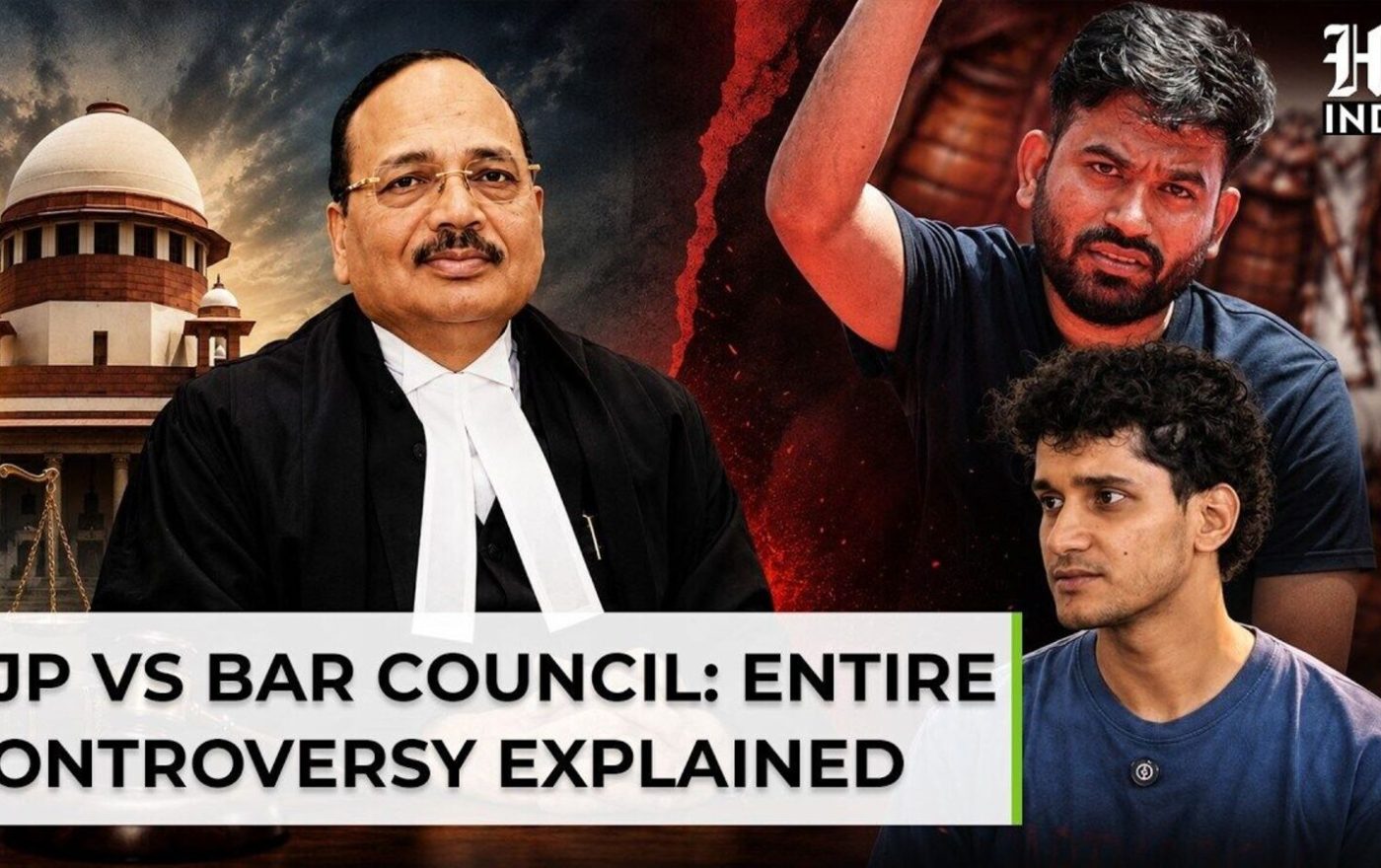
CJI Surya Kant Defends NALSAR Students, Questions BCI’s Interference
Theindiapostdaily.com – The Chief Justice of India, Surya Kant, has publicly challenged the Bar Council of India’s (BCI) decision to restrict the enrolment of NALSAR University of Law’s 2026 law graduates. Speaking on Friday, the CJI emphasized that the matter primarily involves a conversation between the students and the Supreme Court.
“It’s a dialogue between students and me,” CJI Kant stated, according to PTI. “Who are they [BCI] to interfere?”
A Supreme Court bench headed by the CJI has requested the BCI to submit its response to a petition filed by NALSAR. The university had challenged two circulars issued by the BCI, which sparked considerable controversy among legal professionals and students alike.
Timeline of the Dispute
The controversy traces back to July 23, when a group of NALSAR students in Hyderabad expressed their opposition to inviting CJI Surya Kant as the chief guest for the university’s convocation ceremony. The students’ concerns were detailed in an email communication sent to the Vice-Chancellor, Registrar, and faculty members.
According to PTI’s report on August 9, the students’ objection stemmed from the Supreme Court bench’s decision not to expedite a plea related to alleged police brutality against demonstrators during the ‘Chalo Sansad’ peaceful march at Jantar Mantar on July 20. The students also referenced the CJI’s reported comment that the bench “was not interested in watching videos” when legal counsel presented video evidence of the alleged incidents.
On August 13 at 6:30 PM, the BCI issued a directive to State Bar Councils, instructing them to suspend the enrolment of NALSAR’s 2026 graduates as advocates until further notice. The council sought a detailed factual report to identify the individuals responsible for organizing the campaign against the CJI’s convocation participation.
The BCI specifically directed the university to identify, on the basis of verifiable material, persons who were principally involved in initiating, drafting, circulating, coordinating or mobilising the campaign.
BCI Chairman Manan Kumar Mishra announced that a final determination regarding the matter would be made on August 19. He clarified that the council had reviewed reports and materials available in the public domain concerning what appeared to be an organized effort at NALSAR.
Mishra’s Reversal and Withdrawal
Following the backlash, Chairman Mishra changed his position on Friday. He explained that the order previously issued concerning judicial internships had been entirely withdrawn, effectively reversing the earlier restriction.
The BCI had previously clarified that merely signing or supporting the representation would not automatically disqualify students from enrolment. The council emphasized the need to distinguish between those who simply endorsed the campaign and those who actively organized or mobilized an actual boycott or disruption.
The Council had maintained that any final adverse decision would be taken in accordance with the Advocates Act, 1961, the applicable rules and principles of natural justice.
CJI Kant expressed strong support for the students during the proceedings. He noted that students have written letters directly to him and that their lawful expression of opinion should be permitted, even if their stance might be considered incorrect.
“The BCI has nothing to do with this. We are with you. Students have written a letter to me. It’s a dialogue between students and me. Who are they to unnecessarily issue a circular?” the CJI reportedly said.
He added that during his own college days, he was actively involved in student activities and believed that when students raise their voices lawfully, such expressions must be allowed.
The BCI’s initial move had already attracted criticism from various Opposition leaders and legal experts, who questioned the council’s authority to intervene in what they viewed as a student-justice system matter.
Related Reading
Frequently Asked Questions
What is Who are they?
Who are they is the main topic of this guide. The article explains the context, practical details, and next steps readers should understand.
Why does Who are they matter?
Who are they matters because readers are looking for a useful answer, not just a short summary. Good content should match search intent and help them decide what to do next.