Supreme Court quashes criminal defamation case against Rahul Gandhi over Savarkar remarks
The Supreme Court quashes criminal defamation case against Rahul Gandhi, marking a significant legal victory for the Congress leader. The apex court set aside
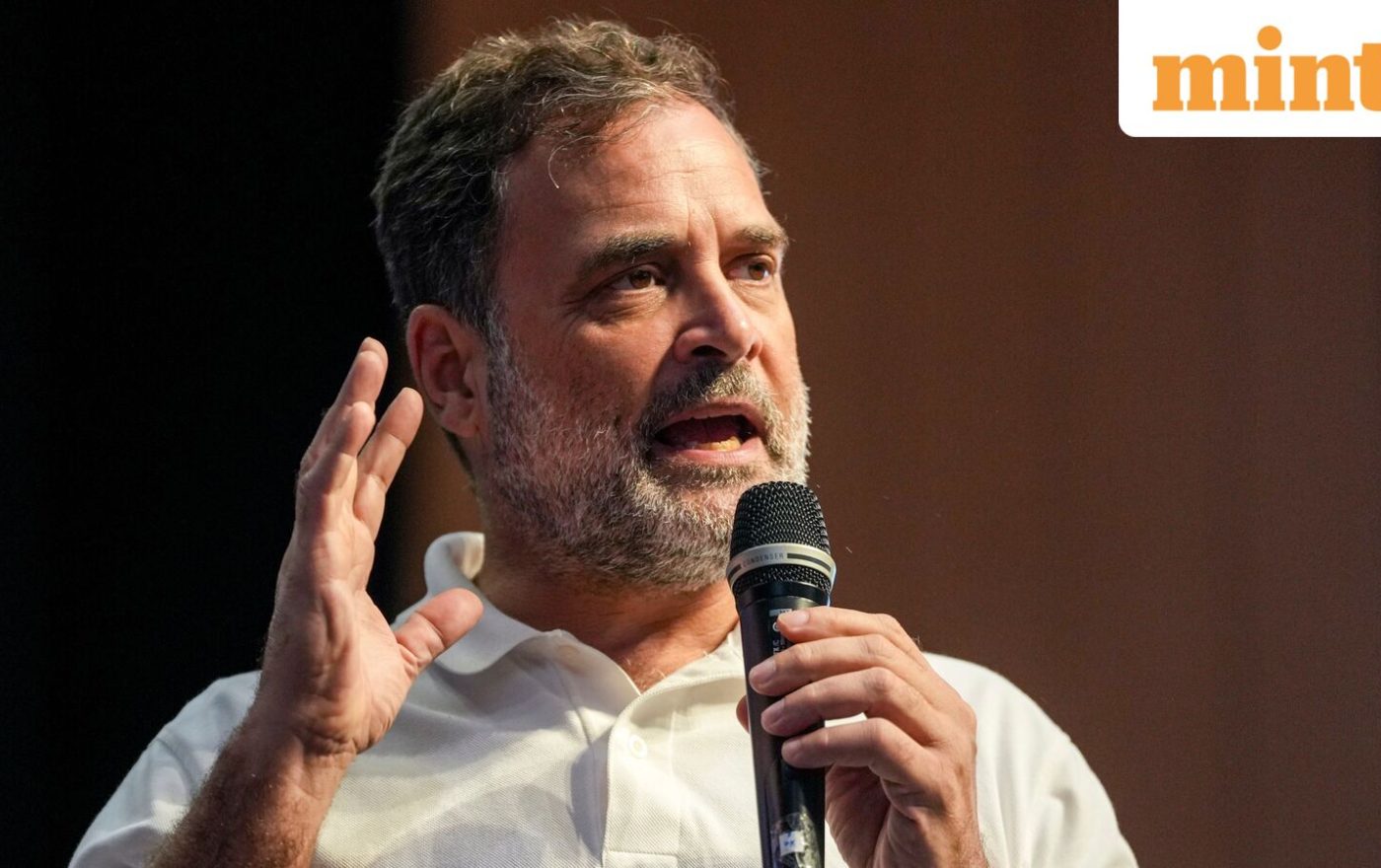
Supreme Court Quashes Criminal Defamation Case Against Rahul Gandhi
Theindiapostdaily.com – The Supreme Court quashes criminal defamation case against Rahul Gandhi, marking a significant legal victory for the Congress leader. The apex court set aside the criminal complaint and summons that had been directed at Gandhi following his statements about Hindutva ideologue Vinayak Damodar Savarkar during the 2022 Bharat Jodo Yatra. This landmark decision was announced on Friday, with the court finding that proper procedural authorization for Gandhi’s prosecution was absent.
Justices Dipankar Datta and Sheel Nagu permitted Gandhi’s petition after carefully examining the documentation submitted by the State of Uttar Pradesh. The bench noted in their ruling that the state failed to demonstrate any sanction was granted for the criminal proceedings. This procedural gap became the cornerstone of the court’s decision to dismiss the case entirely.
In affidavit filed by respondent State of UP, there is no disclosure of sanction having been granted. In such view of matter, orders passed by Magistrate shall be quashed,
The bench communicated this position through Bar and Bench, explaining why the magistrate’s orders would be nullified. The decision effectively clears Gandhi of the criminal charges while acknowledging that the substantive issues regarding his remarks could still be addressed through other legal channels if necessary.
Origins of the Legal Challenge
The controversy stems from comments Gandhi delivered at a public gathering in Akola, Maharashtra on November 17, 2022. While heading the Bharat Jodo Yatra, Gandhi characterized Savarkar as someone who collaborated with British authorities and claimed the ideologue received financial support from them. These statements immediately sparked debate and led to multiple legal challenges.
Advocate Nripendra Pandey initiated legal proceedings, contending that Gandhi deliberately demeaned Savarkar and sought to provoke communal tensions. The complaint referenced multiple sections of the Indian Penal Code, including Sections 153A and 505, which deal with promoting enmity between different groups and publishing statements creating public mischief.
Pandey first petitioned an Additional Chief Judicial Magistrate to register a formal complaint against Gandhi. That magistrate rejected the petition in June 2023, prompting Pandey to appeal to the sessions court. The sessions court accepted the appeal and sent the matter back to the magistrate for reconsideration, setting the stage for further legal proceedings.
Progression Through the Courts
By December 2024, the Lucknow magistrate issued a summons for Gandhi. The magistrate concluded that Gandhi’s characterization of Savarkar as a British servant receiving a pension could generate hostility within society, establishing a preliminary case against him. This summons marked a critical turning point in the legal battle.
Gandhi contested both the summons and continuing proceedings in higher forums. On April 4, 2025, the Allahabad High Court refused to provide relief, indicating Gandhi could seek revision through Section 397 of the Code of Criminal Procedure. This decision pushed the matter toward the Supreme Court for final resolution.
Before reaching the Supreme Court, Gandhi had already challenged the proceedings at the highest level. The apex court had previously suspended the summons while expressing disapproval of Gandhi’s comments about Savarkar. This interim relief allowed Gandhi to avoid immediate legal complications while the substantive issues were being examined.
The court had warned that any further similar statements by Gandhi could invite suo motu action and questioned why freedom fighters were being spoken about in such a manner,
According to Bar and Bench, the bench also highlighted a letter from Gandhi’s grandmother, former Prime Minister Indira Gandhi, which commended Savarkar. This historical document provided additional context to the debate about Gandhi’s remarks and their appropriateness.
Grounds for Dismissal
Although the Supreme Court had previously commented on Gandhi’s remarks, the Friday decision centered on procedural requirements. The Uttar Pradesh government submitted an affidavit stating no documentation existed showing the necessary sanction was obtained. This procedural deficiency became decisive in the court’s ruling.
Additional Solicitor General and advocate for complainant, in the affidavit filed by UP, submits there is no disclosure of sanction. In such view of the matter, the complaint and orders passed by magistrate stands quashed,
Following this reasoning, the Supreme Court eliminated both the original complaint and all magistrate orders connected to the case. The dismissal does not necessarily mean Gandhi’s comments were entirely justified, but rather that the proper legal procedures were not followed in initiating the criminal proceedings.
What This Means Going Forward
The Supreme Court’s decision to quash the criminal defamation case against Rahul Gandhi represents an important precedent for political discourse in India. While the procedural aspects were addressed, the substantive questions about Gandhi’s remarks on Savarkar remain open for future consideration. Legal experts suggest that this case may influence how similar political statements are handled in criminal courts across the country.
The ruling also highlights the importance of proper authorization in criminal proceedings, particularly when dealing with high-profile political figures. The absence of documented sanction for Gandhi’s prosecution became the critical factor that led to the case being dismissed entirely.
Frequently Asked Questions
What exactly did the Supreme Court quash in this case? The Supreme Court quashed the criminal defamation case against Rahul Gandhi, including the original complaint and all magistrate orders connected to the proceedings. The court found that the State of Uttar Pradesh failed to provide proper documentation showing that the necessary sanction was obtained for the criminal proceedings.
Why was the sanction important in this case? Under Indian law, certain criminal proceedings against public officials and political leaders require prior sanction from the appropriate authority. The absence of this documented sanction meant that the magistrate lacked proper jurisdiction to proceed with the criminal complaint against Gandhi.
Does this mean Gandhi’s comments about Savarkar were completely justified? Not necessarily. The Supreme Court’s decision was based on procedural grounds rather than the substantive merits of Gandhi’s comments. The court had previously expressed disapproval of Gandhi’s remarks while still granting him interim relief. The dismissal means the criminal proceedings cannot continue, but the comments themselves were not declared entirely appropriate.
What are the next steps for the complainant in this case? The complainant, Advocate Nripendra Pandey, may explore other legal avenues to address the issues raised in the case. While the criminal defamation proceedings have been dismissed, civil remedies or other legal challenges remain available if the complainant wishes to pursue them further.