150 years of ‘Vande Mataram’: How Independence Day celebrations will be different this year
India marks a dual milestone this Independence Day as the nation celebrates both the 80th anniversary of freedom and 150 years of Vande Mataram . The Red Fort
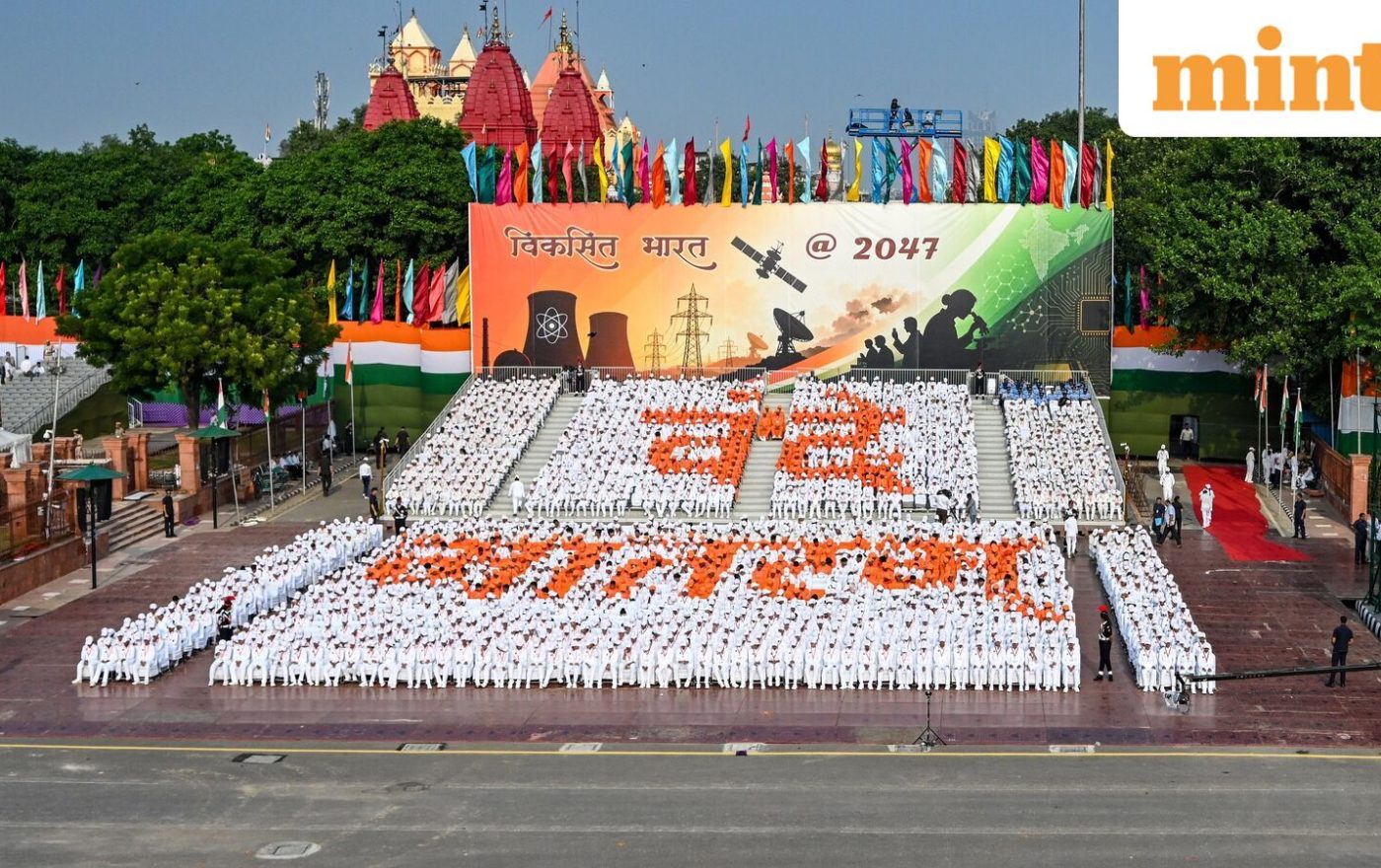
150 Years of Vande Mataram: Independence Day Celebrations Set to Transform
Theindiapostdaily.com – India marks a dual milestone this Independence Day as the nation celebrates both the 80th anniversary of freedom and 150 years of Vande Mataram. The Red Fort will host a historic first—performing the National Song during the main ceremony for the very first time. This momentous occasion honors the legacy of Bankim Chandra Chatterjee’s immortal composition while spotlighting the aspirations of Generation Z under the ‘Yuva Shakti’ initiative. Young Indians’ role in shaping Viksit Bharat@2047 takes center stage alongside traditional tributes.
Prime Minister Narendra Modi will lead the ceremonial proceedings at the Red Fort. The sequence begins with the flag-hoisting ceremony, followed by an Army band rendering ‘Vande Mataram’ before transitioning to the National Anthem. After the Prime Minister’s address, NCC cadets and ‘My Bharat’ volunteers unite to sing the National Song once more, bringing the ceremony to a close with the National Anthem. This unique arrangement underscores the growing importance of the National Song in official celebrations.
New Legal Safeguards for the National Song
The musical enhancement arrives at a pivotal moment. President Droupadi Murmu recently gave her assent to the Vande Mataram Bill, elevating the National Song’s legal status to equal that of the national anthem. Parliament had earlier passed the Prevention of Insults to National Honour (Amendment) Bill, 2026, which modifies the original 1971 legislation to provide comprehensive protection.
Under the amended law, ‘Vande Mataram’ now enjoys identical statutory safeguards as Jana Gana Mana. With presidential approval secured, the legislation has officially become binding law. Violators face serious consequences, including imprisonment of up to three years, monetary penalties, or both punishments applied together. This legal framework ensures the National Song receives the respect it deserves in public spaces and official functions.
A Legacy Spanning Three Centuries
Translating to “I bow to thee, Motherland,” this beloved patriotic composition emerged from Bankim Chandra Chatterjee’s creative vision during the 1870s. The song first reached readers in 1882 when it appeared in his novel Anandamath, meaning “The Abbey of Bliss.” The narrative captures the spirit of the late 18th-century Sannyasi Rebellion, where ascetic warriors challenged East India Company domination.
“Vande Mataram” means “I bow to thee, Motherland”
These spiritual warriors regarded their homeland as a divine goddess, singing ‘Vande Mataram’ as an act of devotion. By the early 1900s, the composition evolved into a powerful symbol of resistance against colonial rule. Citizens chanted it at political rallies, processions, and Congress meetings, especially during the 1905 Partition of Bengal. Colonial authorities sometimes restricted its public performance during sensitive periods.
Official Protocols and Modern Significance
The Constituent Assembly formally recognized ‘Vande Mataram’ as the National Song on January 24, 1950, just two days before India’s Constitution came into force on January 26. Current guidelines specify when collective singing should accompany the National Song during various events.
During flag unfurling ceremonies and cultural gatherings—excluding parades—the melody must play alongside mass participation. Presidential visits to government or public venues, excluding formal State functions, also require this practice, with the song playing both upon arrival and departure. When performed officially, the standard version must be used with accompanying group singing. Events featuring Ministers or distinguished guests may incorporate the National Song even outside strict ceremonial requirements. Educational institutions regularly begin their daily routines with community singing of this revered composition.
Frequently Asked Questions
When was Vande Mataram declared the National Song? The Constituent Assembly officially designated ‘Vande Mataram’ as the National Song on January 24, 1950, shortly before India adopted its Constitution on January 26, 1950.
What changes does the new Vande Mataram Bill bring? The Vande Mataram Bill grants the National Song equal legal protection as the national anthem. Violators can face imprisonment up to three years, fines, or both penalties combined.
Who composed Vande Mataram and when? Bankim Chandra Chatterjee composed ‘Vande Mataram’ during the 1870s. The song first appeared in his novel Anandamath in 1882.
How will Independence Day celebrations differ this year? For the first time, ‘Vande Mataram’ will be performed at the Red Fort during the main Independence Day ceremony. The celebrations also emphasize Generation Z’s contributions and mark 150 years since the song’s creation.