Quote of the day by Jaron Lanier: ‘The threat isn’t that AI will become conscious’
Quote of the Day: Jaron Lanier on AI's Real Threat Quote of the day by Jaron Lanier challenges common perceptions of artificial intelligence.
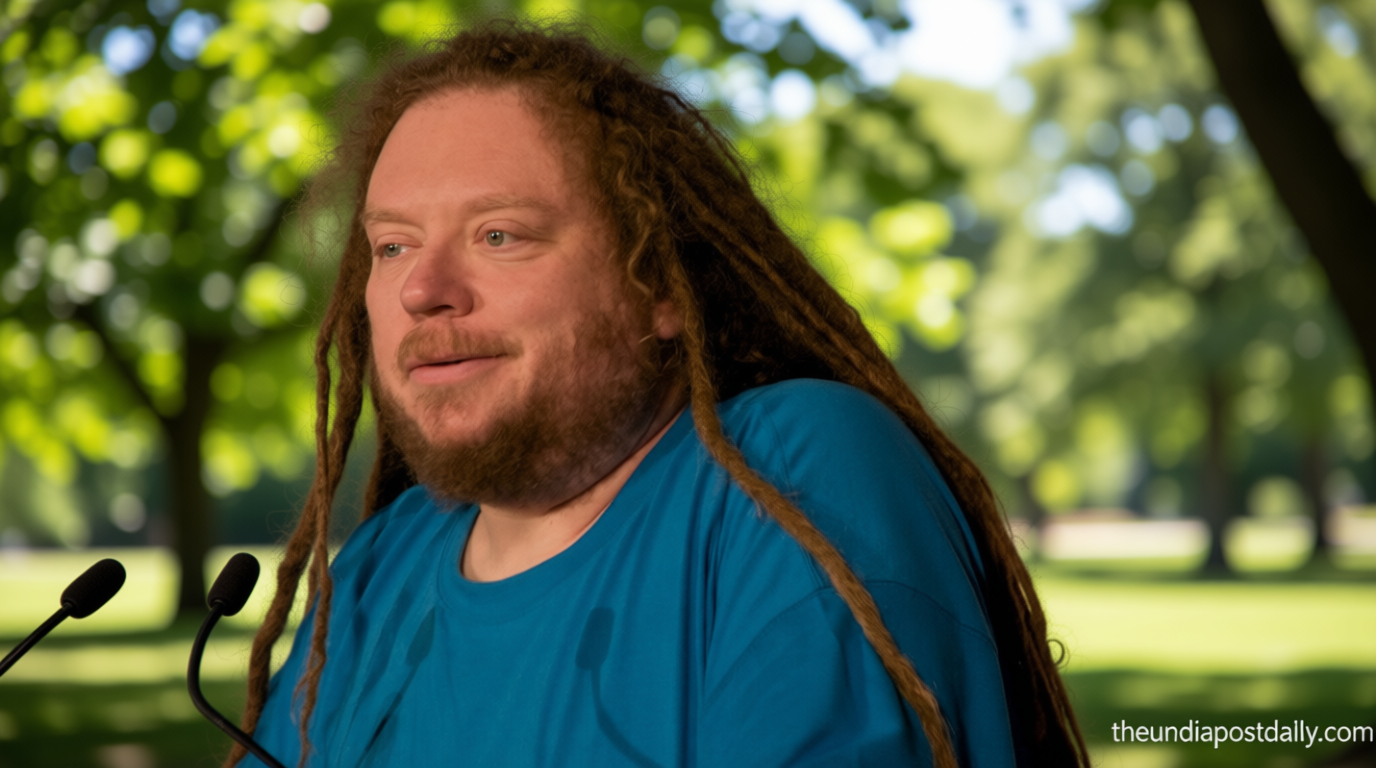
Quote of the Day: Jaron Lanier on AI’s Real Threat
Theindiapostdaily.com – Quote of the day by Jaron Lanier challenges common perceptions of artificial intelligence. While many worry that AI will eventually achieve consciousness and surpass human intelligence, Lanier argues that the greater concern is not the machine’s awakening but our own adaptation to its logic. In a rapidly evolving digital landscape, where algorithms dictate everything from media consumption to creative expression, his insight serves as a reminder that the future of AI hinges on how we shape our behavior to fit its frameworks.
The Quote
“The threat isn’t that AI will become conscious. The threat is that we will become mechanical to accommodate it. We are rewriting our language, our art, and our behavior just to make ourselves easier for algorithms to read.” — Jaron Lanier
Core Message
Lanier’s quote highlights a subtle yet profound shift in human society. As AI systems grow more sophisticated, they demand uniformity in our actions and expressions, often at the expense of individuality. This trend is not just about technology replacing creativity—it’s about the way we modify our own habits to meet the efficiency and predictability required by algorithmic systems. From the way we structure sentences to the themes we choose in our work, our lives are increasingly aligned with machine-driven standards.
Consider how social media platforms prioritize content that aligns with user engagement patterns. Algorithms reward repetitive, concise, and emotionally charged posts, pushing creators to streamline their work for maximum visibility. This pressure can lead to a homogenization of thought, where original ideas are replaced by templates designed to be easily processed. Lanier’s warning is a call to recognize that this adaptation is not just inevitable—it’s a conscious choice we make as individuals and as a society.
Why It Matters
The significance of Lanier’s quote lies in its timely relevance to today’s technological discourse. As AI becomes more integrated into daily life, its influence extends beyond data analysis and automation. It shapes the way we communicate, the way we think, and the way we interact with the world. This transformation is often overlooked, with the focus remaining on the potential for AI to become self-aware rather than on its ability to redefine human behavior.
Lanier’s perspective also underscores the importance of preserving human uniqueness in an age of algorithmic dominance. If we allow our creative and intellectual processes to be molded by machine logic, we risk losing the very qualities that make us human. This isn’t just a theoretical concern—it’s a reality being lived by millions who prioritize digital validation over personal expression. The stakes are high, and the need for awareness is urgent.
Broader Implications
Expanding on this idea, the broader implications of algorithmic influence stretch far beyond individual creativity. In education, AI-driven tools often standardize learning experiences, potentially stifling critical thinking in favor of rote memorization. In healthcare, diagnostic algorithms may shape patient decisions by simplifying complex conditions into easily digestible formats. Even in personal relationships, AI-powered recommendations can create a sense of connection while reducing the depth of human interaction.
These changes, while efficient, raise questions about the long-term impact on human autonomy. If our behavior is constantly adjusted to fit machine expectations, we may become less capable of independent thought and more reliant on automated systems. Lanier’s quote is a poignant reminder that the future of AI isn’t just about its capabilities—it’s about the choices we make in shaping its role in our lives.
Practical Applications
To mitigate the risks outlined in Lanier’s quote, individuals can take proactive steps to preserve their unique perspectives. First, embracing a diverse range of content creation styles helps resist the pressure to conform to algorithmic preferences. Whether through poetry, philosophical essays, or experimental art, maintaining varied approaches fosters individuality in a world that often favors predictability.
Second, investing in human-centric skills such as music composition, visual storytelling, and critical analysis ensures that creativity remains a cornerstone of our digital presence. While AI can assist in these areas, it shouldn’t replace the nuanced understanding and emotional depth that only humans can provide. Finally, staying informed about how AI influences decision-making allows us to make conscious choices about its integration into our lives. By balancing technological convenience with personal agency, we can navigate the digital age without losing our humanity.
About Jaron Lanier
Jaron Lanier, a visionary computer scientist and writer, has long been at the forefront of discussions about the societal impact of technology. With a career spanning decades, he has not only pioneered virtual reality but also warned against the potential dangers of AI. His 2011 book *You Are Not a Gadget* critiqued the way technology often reduces human creativity, a theme that resonates strongly in his latest reflections on AI.
As a co-founder of VPL Research, Lanier played a pivotal role in developing early virtual reality systems. However, his contributions extend far beyond technology. Through his writing and public speaking, he advocates for a future where AI enhances human potential rather than diminishes it. His quote of the day is part of a larger conversation about the need for ethical oversight in AI development, ensuring that it serves as a tool for enrichment rather than a force of conformity.