E20 petrol controversy | India’s top carmakers privately raise serious concerns about fuel contamination: Report
India's premier automobile manufacturers have voiced significant apprehensions regarding fuel contamination linked to E20 petrol, which contains twenty
Private Worries Emerge Among Leading Automakers Over E20 Fuel Quality
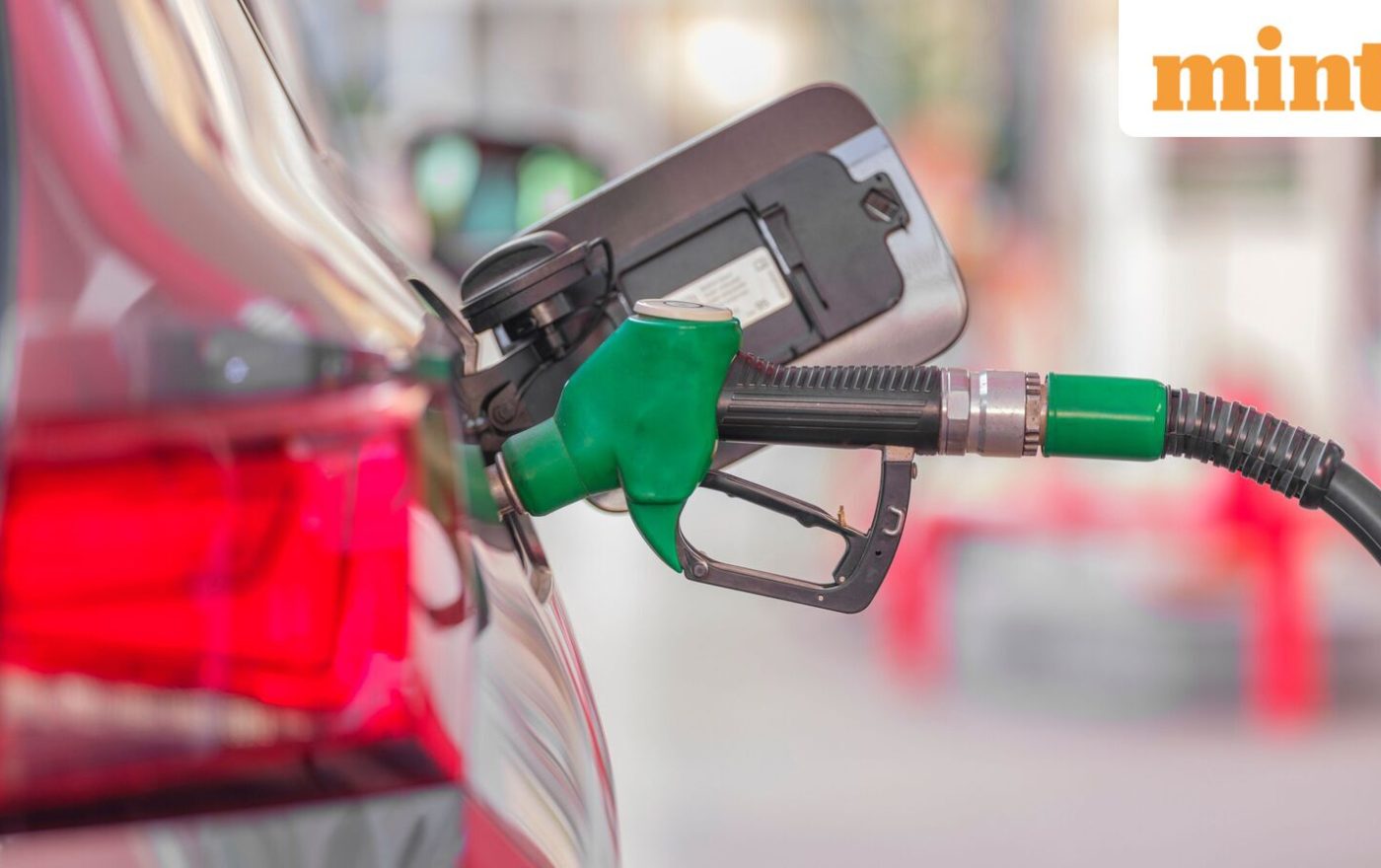
Theindiapostdaily.com – India’s premier automobile manufacturers have voiced significant apprehensions regarding fuel contamination linked to E20 petrol, which contains twenty percent ethanol. While publicly endorsing the initiative, Maruti Suzuki, Tata Motors, and Mahindra expressed reservations behind closed doors, as reported by Reuters. Internal correspondence examined by the news agency uncovered these concealed doubts.
This disclosure follows the withdrawal of a formal grievance by India’s automotive sector concerning E20 petrol. The Society of Indian Automobile Manufacturers presented the letter on July 28. SIAM retracted the submission after the government provided public guarantees about the fuel’s quality. The organization suggested that specific statistics within the document required additional verification.
Nevertheless, confidential industry communications indicated that no such verification issues existed, according to Reuters. Company leaders debated the contamination results internally without doubting their validity.
Technical Findings Reveal Significant Contamination Levels
E20 petrol became compulsory across the country starting April 1 of this year. The initiative seeks to diminish environmental pollution and decrease petroleum imports. Consumer grievances regarding automobile performance have increased substantially. Numerous drivers have observed diminished fuel efficiency and accelerated component deterioration.
Industry assessments gathered more than two hundred fifty fuel specimens throughout India. These specimens originated from twenty-one states and union territories. Elevated chloride contamination appeared in samples from eighteen states. Excessive moisture was also identified in various regions.
Chloride concentrations reportedly climbed to five hundred seventy parts per million in Rajasthan. Delhi registered measurements reaching four hundred twenty ppm. Maharashtra demonstrated values as high as three hundred fifty-seven ppm. India’s acceptable chloride threshold remains merely three ppm, meaning these results far surpassed regulatory limits.
Moisture concentrations also violated acceptable boundaries in multiple states. Andhra Pradesh measured levels up to thirteen thousand ppm. Uttar Pradesh exhibited comparable elevated readings near twelve thousand five hundred ppm. The government’s moisture ceiling currently allows only three thousand ppm maximum.
Executive Warnings and Industry Response
Anoop Bhat, a senior figure at Maruti, highlighted these issues internally. He emphasized that fuel injection systems could handle merely one ppm of chloride. R Ramaprabhu, an engineer at Mahindra, cautioned about organic chloride contamination. He stated this impurity triggered swift vehicle breakdowns within two hundred kilometers of use.
He asserted that most immediate breakdowns following refueling originate from this contamination. Mahindra reportedly maintains compelling proof validating these observations.
“Majority cases reported immediately after fuelling … is due to organic chloride,” Reuters quoted him as writing.
SIAM informed Reuters that the information served primarily for internal deliberation. The group noted that only a handful of manufacturers had actually gathered this data.
The petroleum ministry declined to comment on Reuters’ inquiries about this matter. However, Minister Hardeep Singh Puri addressed the issues publicly during the previous week. He mentioned that oil corporations initiated thorough fuel examinations prior to receiving SIAM’s correspondence. Only four contamination instances surfaced during this preliminary evaluation.
Government-operated fuel distributors also performed comprehensive testing recently, according to reports. They discovered nothing alarming concerning the contamination allegations.
Mahindra has subsequently characterized the email-based assessments as “completely baseless and incorrect.” The company maintains that testing remains limited and preliminary currently. Maruti and Tata Motors did not provide responses to Reuters’ inquiries.
Related Reading
Frequently Asked Questions
What is E20 petrol controversy?
E20 petrol controversy is the main topic of this guide. The article explains the context, practical details, and next steps readers should understand.
Why does E20 petrol controversy matter?
E20 petrol controversy matters because readers are looking for a useful answer, not just a short summary. Good content should match search intent and help them decide what to do next.