Tehran signals shift to ‘offensive’ military doctrine, rules out extension of June interim deal
Tehran signals shift to offensive military strategy as tensions escalate in the Persian Gulf region. Iran and the United States remain deadlocked over efforts
Tehran Signals Shift to Offensive Military Doctrine
Theindiapostdaily.com – Tehran signals shift to offensive military strategy as tensions escalate in the Persian Gulf region. Iran and the United States remain deadlocked over efforts to resolve their months-long conflict, with Tehran indicating no progress toward reviving the interim agreement reached in June or establishing a timeline for implementing commitments. The standoff coincides with Iran’s announcement of a tougher military posture and rising tensions around the strategically vital Strait of Hormuz.
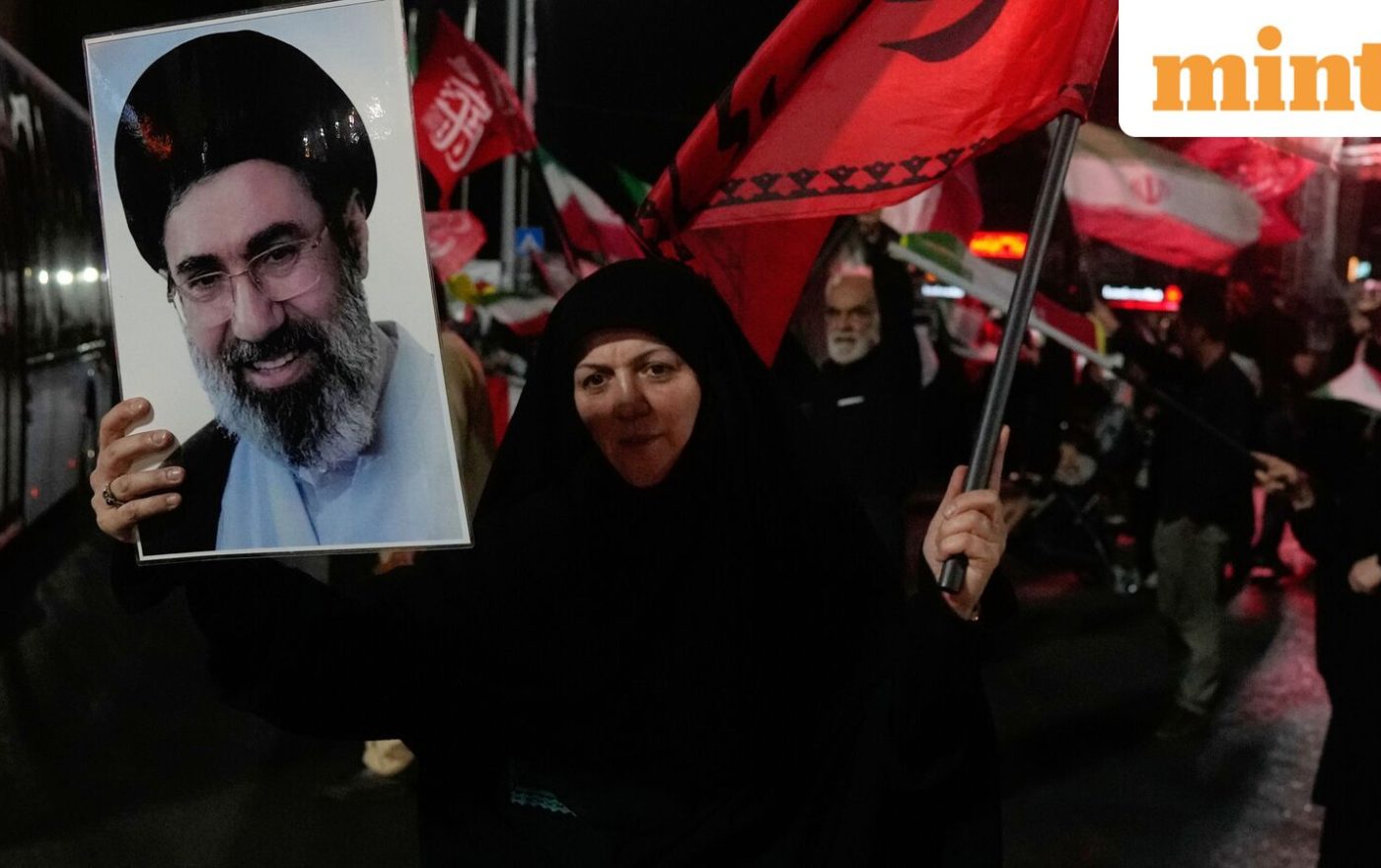
Mohammad Reza Naqdi, an adviser to the commander of Iran’s Islamic Revolutionary Guard Corps (IRGC), confirmed that Tehran signals shift to offensive following a series of senior military appointments by Supreme Leader Mojtaba Khamenei. Speaking on Iranian state television, Naqdi emphasized that the IRGC must be prepared to conduct operations inside enemy territory when conditions permit. This represents a significant departure from Iran’s pre-war strategy, which he described as primarily focused on defence and preserving national security.
June Interim Deal Faces Extension Rejection
A senior Iranian source told Reuters that Tehran and Washington remain divided over efforts to revive the interim agreement reached in June. The source noted that mediators have discussed a US return to the agreement and the possibility of establishing a timeline for both nations to fulfil their respective commitments. “There has been absolutely no progress on this issue,” the source stated firmly.
Iran has rejected reports that the 60-day period set under the June agreement could be extended, arguing that the period never properly began because Washington violated the agreement shortly after it was reached. The June deal had called for an immediate and permanent halt to military operations and provided a 60-day period for negotiations toward a broader agreement involving Iran’s nuclear programme and US sanctions.
The Strait of Hormuz has emerged as one of the biggest obstacles to a new agreement, with both sides blaming each other for failing to meet commitments.
The Strait of Hormuz has emerged as one of the biggest obstacles to a new agreement. The United States has accused Iran of failing to meet commitments to reopen the strategic shipping route. Tehran, meanwhile, says Washington has failed to honour its own obligations, including lifting a blockade on Iranian ports and releasing frozen Iranian assets. Iranian security official Mohsen Rezaei said the strait would remain closed unless Washington accepted Tehran’s conditions for ending the war.
Market Impact and Diplomatic Stalemate
US President Donald Trump has demanded that Iran pay compensation for people killed in what he described as 50 years of wars, attacks and protests. Trump has alternated between threats of further escalation and claims that a peace agreement could be close. Iran, however, has continued to insist that the United States must meet its demands before a broader settlement can be reached.
The latest shipping incidents and uncertainty over diplomacy have kept energy markets volatile. Brent crude futures surged after the conflict began in February, reaching a peak of $126 a barrel, about 75% above pre-war levels, amid fears of disruptions to Gulf oil supplies. By Wednesday, Brent was trading at around $88 a barrel, while US West Texas Intermediate crude was around $83 a barrel.
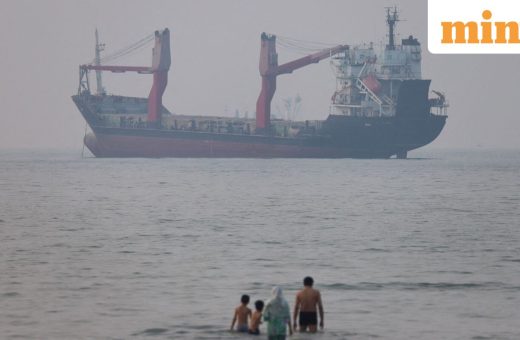
Four crew members were killed in an attack by Iran-backed Houthi forces on a cargo ship in the Bab el-Mandeb Strait on Tuesday, according to the report. It was described as the group’s first deadly attack on shipping since the war began. Separately, the US military said a Navy MH-60 helicopter fired two Hellfire missiles to disable the steering system of a Panama-flagged cargo ship that allegedly ignored repeated warnings to stop violating a US naval blockade on Iranian ports.
Frequently Asked Questions
What is the June interim deal?
The June interim deal called for an immediate and permanent halt to military operations and provided a 60-day period for negotiations toward a broader agreement involving Iran’s nuclear programme and US sanctions.
Why is the Strait of Hormuz important?
The waterway, located between Iran and Oman, handled about one-fifth of global oil and liquefied natural gas flows before the conflict, making any prolonged disruption a major concern for energy markets.
What is Iran’s new military doctrine?
Tehran signals shift to offensive military strategy, moving away from a primarily defensive posture to one that includes conducting operations inside enemy territory when conditions allow.
How have oil prices been affected?
Brent crude futures reached a peak of $126 a barrel, about 75% above pre-war levels, before settling around $88 a barrel as forecasters lowered their expectations for 2026 demand.