
‘Like giving key to robber & not house’s owner’: Delhi HC asks Meta why scammers access Rights tool, not creators
Delhi HC: 'Like Giving Key to Robber' – Meta Scammers Rights Manager Issue
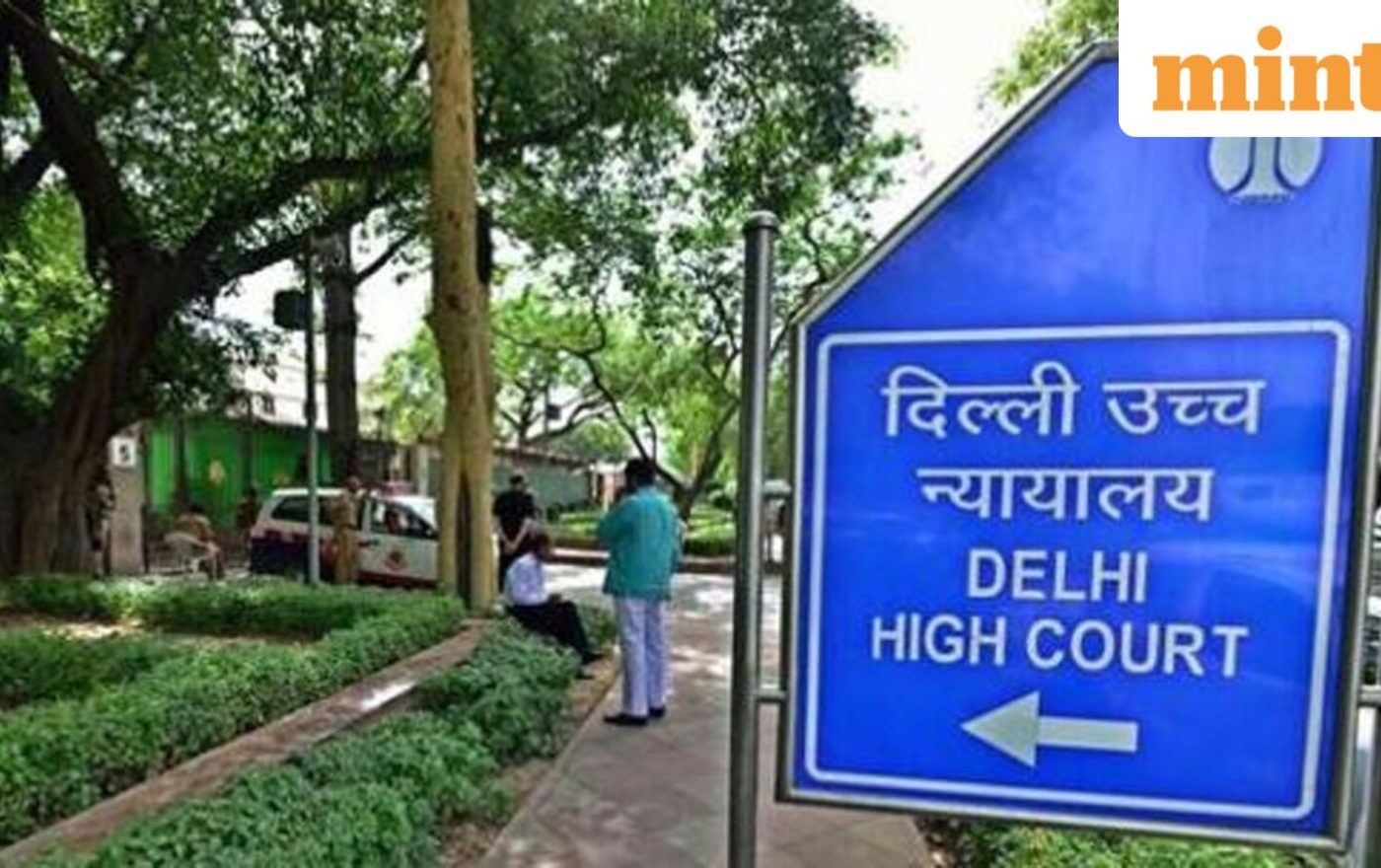
Delhi High Court Questions Meta’s Rights Manager Access Policy
Theindiapostdaily.com – The Delhi High Court has raised serious concerns about Meta’s approach to granting access to its Rights Manager tool, particularly after allegations emerged that genuine content creators are being denied access while fraudsters exploit the system to file bogus copyright claims. Justice Anup Jairam Bhambhani, while hearing the case, remarked that the current situation is like giving key to robber not house owner, highlighting the irony of the platform’s access criteria. The court directed Meta to place its policy and eligibility requirements for accessing Rights Manager on record, seeking a detailed explanation from the company on the grounds used to reject applications from creators.
Mohit Kumar, an AI, business and e-commerce coach who publishes educational material on social media through his “Rise With Mohit” handle, brought the lawsuit to the court’s attention. Kumar claimed that fraudsters copied his original videos and submitted them to Meta’s Rights Manager, falsely portraying themselves as the copyright owners. He further alleged that they subsequently misused the tool to issue copyright strikes against his social media accounts. His counsel informed the court that his client had applied for access to Meta’s Rights Manager tool on three occasions, but each application was rejected without a specific explanation.
Why Creators Are Being Denied Access
The counsel argued that creators with only a few hundred followers appeared to have been granted access, while established creators with substantial audience engagement and brand partnerships were allegedly being denied the same access. This disparity has raised concerns about the transparency and fairness of Meta’s selection process. The counsel further submitted that misuse of copyright enforcement mechanisms could have severe consequences for genuine creators. A wrongful copyright strike, he argued, could potentially result in an account being removed overnight, putting years of content, revenue from monetisation, brand deals and business opportunities at risk.
“It is like giving the key to the robber and not to the owner of the house,” Justice Bhambhani observed while questioning Meta’s approach to Rights Manager access.
Meta, however, told the court that the disputed copyright strikes against Kumar had been withdrawn and that content taken down as a result had been restored. The company also clarified that Kumar’s accounts had never been suspended and remained accessible. Meta further said that, subject to technical verification, Kumar’s accounts would not be removed based on the contested copyright claims. The company’s counsel also assured the court that Kumar’s request for Rights Manager access would be reviewed after his claims were verified.
What the Court Ordered and What’s Next
The Delhi High Court ordered Meta to restore any content removed following fraudulent copyright strikes, provided Kumar submits adequate evidence demonstrating that he is the legitimate owner of the material and that the copyright claims were false. Justice Bhambhani noted that similar concerns were emerging in multiple cases involving digital content creators and warranted detailed examination. The court also observed that the issue was resulting in a growing number of legal disputes.
The judge accordingly issued summons in the main suit and served notice on Kumar’s application seeking interim relief. The case has been listed for further hearing on September 24, along with another matter involving similar allegations. This development is expected to have significant implications for content creators across India who rely on Meta’s platforms for their livelihood.
Understanding Meta’s Rights Manager Tool
Meta’s Rights Manager is designed to detect content on Facebook and Instagram that matches material registered by rights holders. Users granted access to the tool can monitor such matches, block the content or take other action against uploads that correspond to their claimed material. The tool has become increasingly important for content creators who want to protect their intellectual property in the digital space.
However, the current controversy highlights a critical gap in the system. When fraudsters gain access to Rights Manager, they can file false claims against genuine creators, potentially causing significant harm. The Delhi High Court’s intervention could lead to reforms in how Meta evaluates and grants access to its Rights Manager tool, ensuring that genuine creators are not left vulnerable to exploitation.
FAQ: Meta Rights Manager Access Issues
Q: What is Meta’s Rights Manager tool? A: Rights Manager is a content identification tool that allows rights holders to detect and manage their content on Facebook and Instagram platforms.
Q: Why is access to Rights Manager important for creators? A: It enables creators to protect their original content, issue copyright strikes against infringers, and manage their intellectual property effectively.
Q: What did the Delhi High Court order Meta to do? A: The court directed Meta to submit its policy governing access to Rights Manager, along with eligibility requirements, and to restore content removed due to fraudulent strikes.
Q: When is the next hearing scheduled? A: The case has been listed for further hearing on September 24, 2024.