Can India revoke Meta’s safe harbour protection? Why Facebook, Instagram and WhatsApp are under scrutiny
Meta confronts a significant challenge in its most important market by active monthly users. A parliamentary committee recently examined how the company
Meta’s Safe Harbour Shield Under Review as India Scrutinizes Social Media Giant
Theindiapostdaily.com – Meta confronts a significant challenge in its most important market by active monthly users. A parliamentary committee recently examined how the company managed Prime Minister Narendra Modi’s Facebook post, simultaneously exploring whether India might withdraw Meta’s safe harbour protection under existing legislation.
This matter gains importance alongside wider worries about Meta’s content moderation approach, particularly regarding child sexual abuse material and deepfake videos. Although the corporation has issued apologies for removing the Prime Minister’s video alongside child abuse content, these events have revived debates concerning corporate liability, accountability mechanisms, and the legal safeguards currently available to the company within India.
Apologies and Corrective Directions
Joel Kaplan, Meta’s Chief Global Affairs Officer, offered an apology to the Ministry of Electronics and Information Technology regarding the July 23 temporary restriction of the Prime Minister’s Facebook post. Kaplan characterized the incident as a “technical error,” according to PTI reports. The corporation also expressed regret during discussions between Meta’s international leadership and Information Technology Minister Ashwini Vaishnaw concerning shortcomings in content moderation, especially issues tied to child sexual abuse material.
Meta’s Chief Global Affairs Officer Joel Kaplan apologised to the Ministry of Electronics and Information Technology (MeitY) for the temporary restriction of Prime Minister Narendra Modi’s Facebook post on July 23, describing it as a “technical error”.
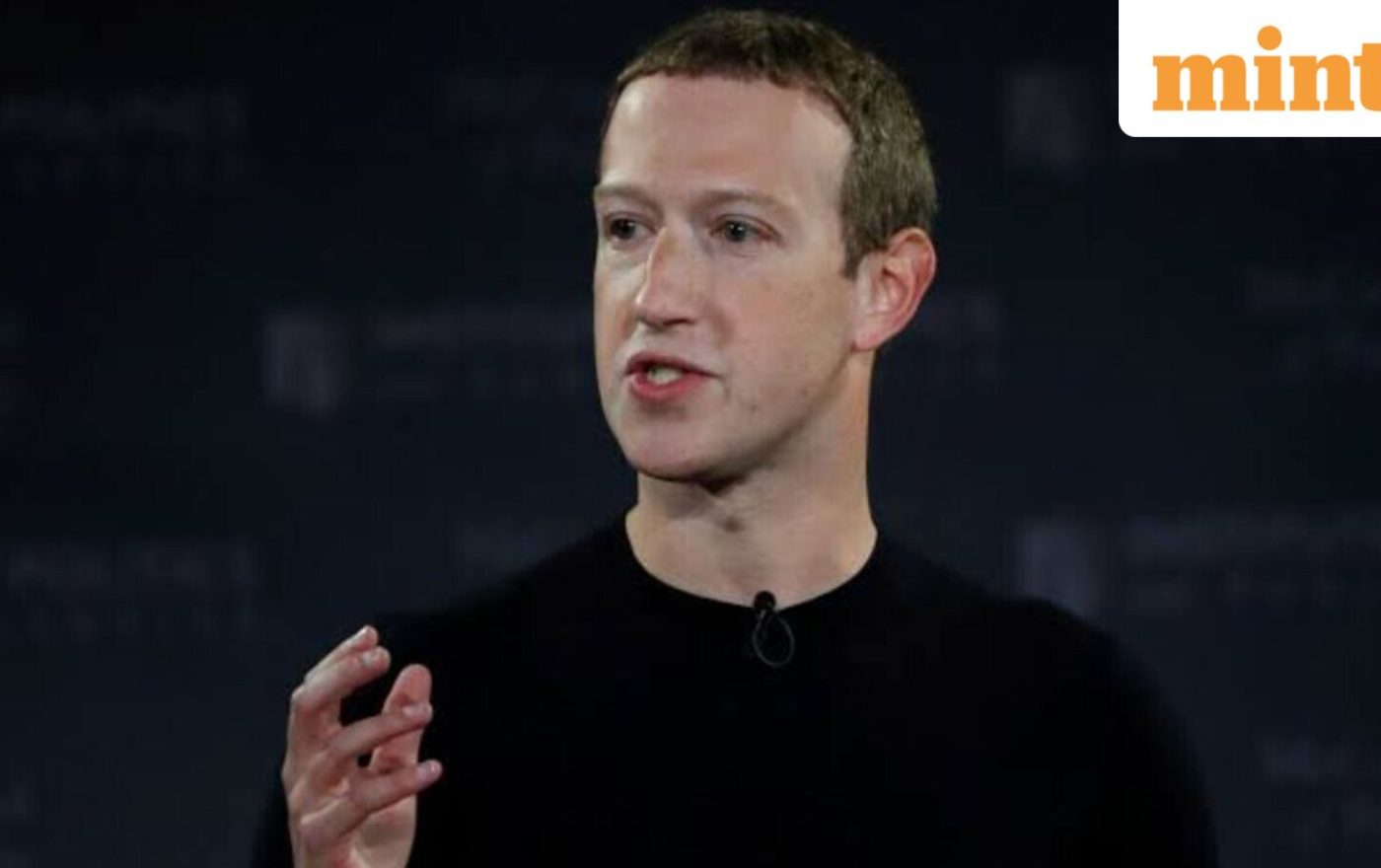
Meta CEO Mark Zuckerberg similarly extended apologies to Indian government representatives concerning child sexual abuse content and deepfakes appearing on the company’s platforms, as noted in a PTI report. Sources referenced by PTI indicated that conversations between Meta representatives and government officials proved comprehensive. The corporation received instructions to execute particular remedial actions and subsequently report outcomes to authorities.
Understanding Safe Harbour Protection
Safe harbour protection represents a legal safeguard extended to online intermediaries under Section 79 of the Information Technology Act, 2000. This provision shields platforms including Facebook, Instagram, WhatsApp, X, YouTube, Google Search, online marketplaces, and payment services from automatic liability for material posted by users. However, this protection carries specific conditions requiring legal compliance and fulfillment of due diligence requirements, according to a Hindustan Times report.
In straightforward terms, the provision protects intermediaries like Meta-owned Facebook from legal responsibility for user-uploaded content, provided they satisfy legal due diligence requirements. The immunity remains conditional rather than absolute.
Under Section 79(2), platforms must maintain neutrality. They cannot initiate information transmission, choose the recipient of specific messages, or substantially alter transmitted information. Additionally, platforms must adhere to obligations established under the Information Technology (Intermediary Guidelines and Digital Media Ethics Code) Rules.
The parliamentary panel’s concerns center on whether Meta’s actions in limiting the Prime Minister’s post align with these neutrality requirements.
Consequences of Losing Protection
Without the legal shield offered under Section 79, the company could encounter civil and criminal proceedings concerning user-generated material across all its platforms. Legal specialists indicate that such situations would fundamentally transform the liability framework governing social media corporations operating within India.
Can Safe Harbour Protection Be Withdrawn?
Despite recommendations from the parliamentary panel, legal professionals assert that removing Meta’s safe harbour protection cannot occur immediately. According to an expert quoted in a CNBC report, the existing legal framework considers the loss of intermediary immunity as content-specific rather than applying to the entire platform. The expert noted that safe harbour protection may be forfeited if an intermediary assists unlawful activity, neglects to remove illegal content following a legitimate government or court directive, or fails to satisfy due diligence obligations under Indian law.
The present legal framework treats the loss of intermediary immunity as content-specific, rather than platform-wide while adding that the safe harbour protection can be lost if an intermediary abets unlawful activity, fails to remove illegal content after receiving a valid government or court order, or does not meet its due diligence obligations under Indian law.
Nevertheless, the expert emphasized that the current legal framework does not permit blanket withdrawal of safe harbour protection for an entire platform. Another specialist informed CNBC that safe harbour remains “the cornerstone of digital regulation,” suggesting that any initiative to withdraw it would probably necessitate modifications to the nation’s legal framework.
Experts further clarified that the Parliamentary Standing Committee lacks authority to directly revoke safe harbour protection but can only advise the government to investigate the matter. Additional steps require following the legal procedures outlined in the Information Technology Act.
India’s Strategic Importance to Meta
India stands as Meta’s largest market measured by active monthly users, making regulatory developments particularly consequential for the corporation’s operations and future growth trajectory in the region.
Related Reading
Frequently Asked Questions
What is Can India revoke Meta s safe?
Can India revoke Meta s safe is the main topic of this guide. The article explains the context, practical details, and next steps readers should understand.
Why does Can India revoke Meta s safe matter?
Can India revoke Meta s safe matters because readers are looking for a useful answer, not just a short summary. Good content should match search intent and help them decide what to do next.