PM Modi receives call from Israeli counterpart Netanyahu, discusses West Asia crisis
Theindiapostdaily.com – PM Modi receives call from Israeli - PM Modi Receives Call From Netanyahu to Discuss Regional Developments Prime Minister Narendra Modi received a phone call from his Israeli…
Theindiapostdaily.com – PM Modi receives call from Israeli –
PM Modi Receives Call From Netanyahu to Discuss Regional Developments
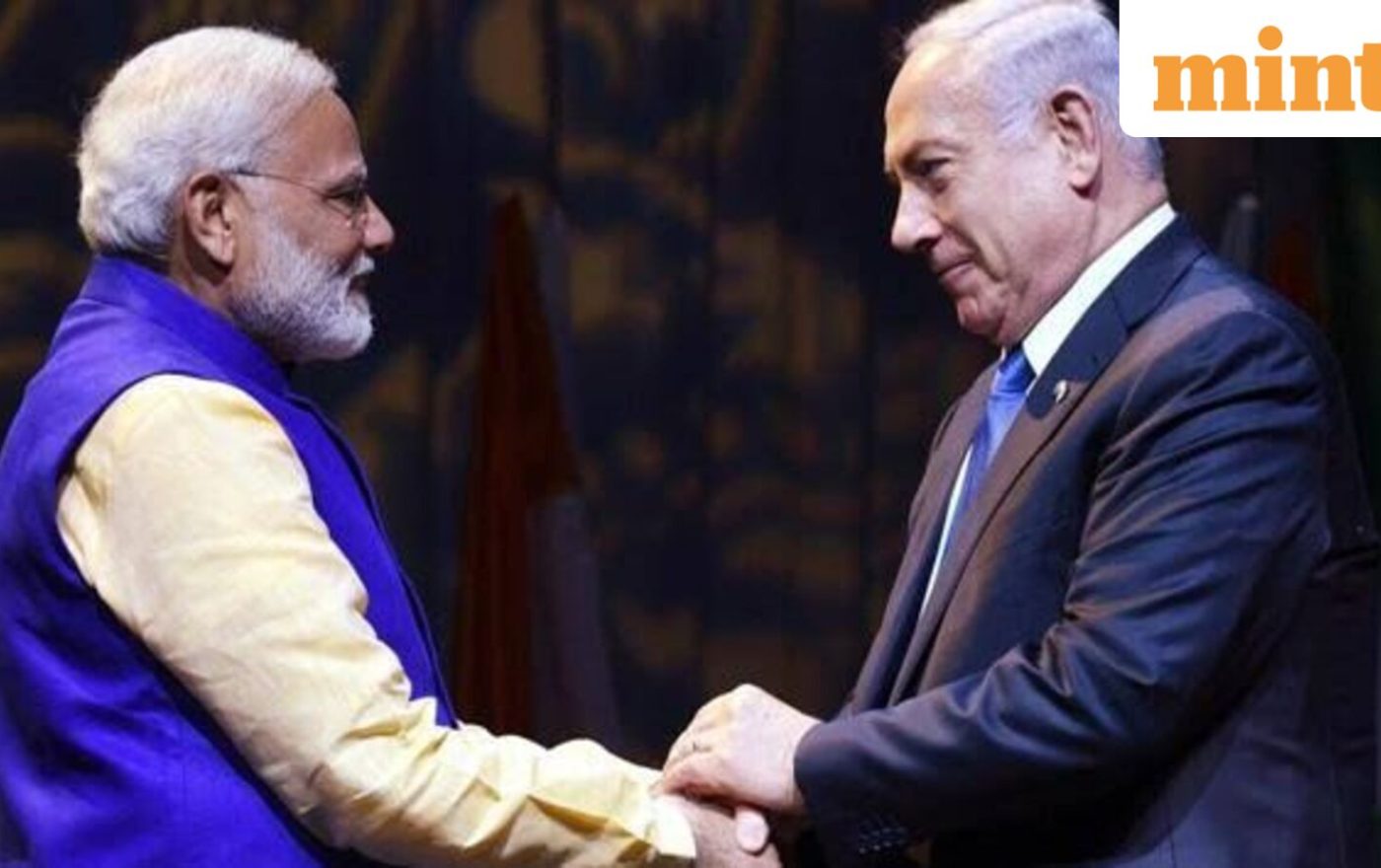
Prime Minister Narendra Modi received a phone call from his Israeli counterpart Benjamin Netanyahu on Thursday, marking another significant diplomatic engagement between the two nations. During this conversation, the leaders discussed the latest developments in West Asia and reviewed the progress made under their bilateral relationship. The call highlighted the growing strategic partnership between India and Israel, with both leaders expressing their commitment to strengthening cooperation across multiple sectors for mutual benefit.
According to an official statement from the Prime Minister’s Office, the discussion covered various aspects of the India-Israel Special Strategic Partnership. The leaders agreed to maintain regular communication to address emerging challenges in the region. “PM Netanyahu and PM Modi exchanged views on the recent developments in West Asia. The two leaders agreed to remain in touch,” the statement conveyed, as reported by PTI.
Following the telephone conversation, PM Modi shared his thoughts on social media platform X, writing: “Received a phone call from Prime Minister Benjamin Netanyahu. We reviewed progress on various aspects of the India-Israel Special Strategic Partnership which continues to grow from strength-to-strength. We also exchanged views on the current situation in West Asia.”
Understanding the West Asia Crisis and Its Global Implications
The West Asia conflict has been ongoing for more than five months without any permanent resolution in sight. This prolonged crisis has had far-reaching implications for global energy markets and international relations. Iran announced on Thursday that it is in the final stage of drafting an agreement on the Strait of Hormuz waterway with Oman, signaling potential diplomatic efforts to ease tensions in the region.
The Strait of Hormuz represents one of the world’s most critical maritime chokepoints. Before the conflict erupted, nearly one-fifth of the world’s oil and natural gas shipments transited through this strategic waterway at the entrance to the Persian Gulf. Any disruption to shipping through this route has immediate consequences for global energy prices and supply chains.
The Strait of Hormuz is a vital global shipping route and a key artery for energy supplies. Its stability is crucial for maintaining global economic equilibrium.
The conflict began on February 28 when the United States and Israel launched coordinated military strikes on Iran. These strikes cited multiple objectives, including toppling Tehran’s government and dismantling its nuclear programme. While these initial goals remain largely unmet, the conflict has since evolved to focus on the Strait of Hormuz, where Iran’s assertion of control and attacks on commercial shipping have brought maritime traffic to a near standstill.
Adding to the regional complexity, two Israeli soldiers have been killed in Lebanon, further complicating the security situation. The ongoing hostilities have created uncertainty for businesses, governments, and ordinary citizens across the Middle East and beyond.
India’s Position on the West Asia Crisis
India has maintained a careful diplomatic balance in the West Asia crisis, engaging with all major stakeholders. The recent call between PM Modi and Netanyahu demonstrates India’s continued interest in maintaining strong relations with Israel while also considering its broader regional partnerships. As one of the world’s largest importers of crude oil, India has a vested interest in ensuring the stability of the Strait of Hormuz and the broader West Asia region.
The India-Israel Special Strategic Partnership has grown significantly over the years, encompassing defense, technology, agriculture, and trade sectors. This relationship has proven resilient even during periods of heightened regional tensions, with both countries recognizing the value of their strategic alignment.
Frequently Asked Questions
When did PM Modi receive the call from Netanyahu?
PM Modi received the phone call from Israeli Prime Minister Benjamin Netanyahu on Thursday. The exact date corresponds to when the conversation took place regarding West Asia developments.
What are the main topics discussed in the India-Israel Special Strategic Partnership?
The partnership covers multiple sectors including defense cooperation, technology exchange, agricultural innovation, trade facilitation, and cultural ties. Both nations have committed to deepening these areas of collaboration for mutual benefit.
Why is the Strait of Hormuz important for global energy markets?
The Strait of Hormuz handles nearly one-fifth of the world’s oil and natural gas shipments. Any disruption to shipping through this strategic waterway at the entrance to the Persian Gulf can significantly impact global energy prices and supply chains.
What were the original objectives of the US and Israeli strikes on Iran?
The military strikes launched on February 28 had two primary objectives: toppling Tehran’s government and dismantling Iran’s nuclear programme. While these goals remain largely unmet, the conflict has since shifted focus to maritime control and regional stability.
How has India responded to the West Asia crisis?
India has maintained diplomatic engagement with all major stakeholders in the region, including Israel, Iran, and other Middle Eastern nations. The recent call between PM Modi and Netanyahu reflects India’s continued commitment to maintaining strong bilateral relations while monitoring the crisis developments.