India rules out ethanol import concessions to US, says no policy change in bilateral trade talks
India has firmly ruled out ethanol import concessions to the United States, clarifying that no policy changes will be made regarding fuel ethanol imports
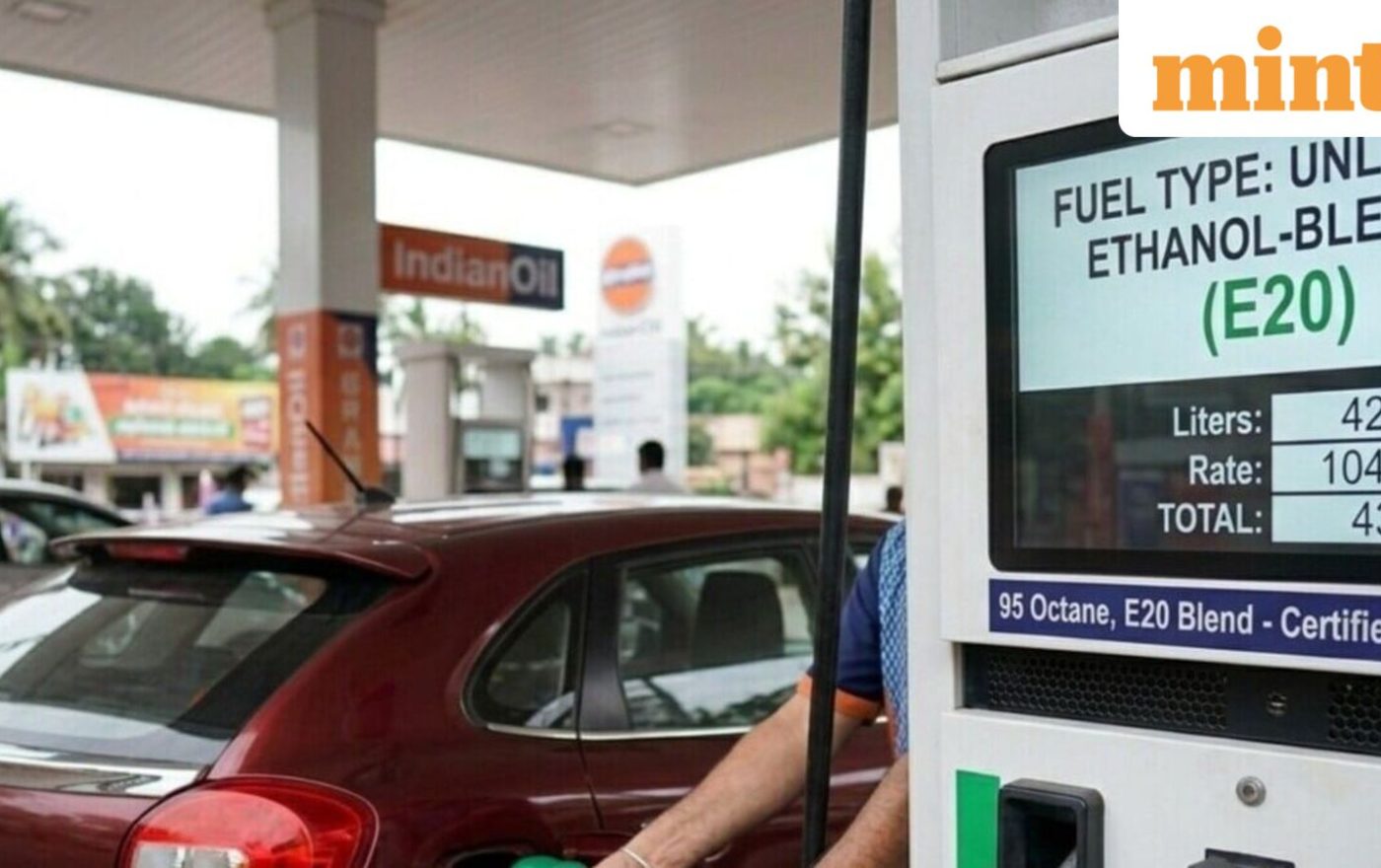
India Rules Out Ethanol Import Concessions in Bilateral Trade Talks
Theindiapostdaily.com – India has firmly ruled out ethanol import concessions to the United States, clarifying that no policy changes will be made regarding fuel ethanol imports during ongoing bilateral trade negotiations. The Commerce Ministry issued a clear statement on Thursday emphasizing that the country’s ethanol blending mandate will remain focused on domestically produced ethanol rather than imported supplies.
The Indian government currently mandates a 20% ethanol blending ratio with gasoline, a policy designed to reduce carbon emissions and decrease dependence on crude oil imports. According to official statements, any suggestion that India might alter this framework to allow large-scale ethanol imports from the U.S. is fundamentally misleading. The existing regulations explicitly permit the use of locally produced ethanol for mixing with gasoline, ensuring that domestic producers continue to benefit from the growing ethanol market.
Trade Negotiation Context
Washington and New Delhi have been engaged in extensive bilateral trade agreement discussions aimed at expanding market access and lowering trade barriers between the two nations. These negotiations represent a significant effort to deepen economic ties and create new opportunities for businesses on both sides of the Pacific. A senior U.S. official recently indicated that a comprehensive U.S.-India trade agreement could potentially be signed within three to four months, marking a milestone in bilateral economic relations.
The ethanol import question has emerged as a key point of discussion during these talks. India’s position reflects its commitment to supporting domestic agricultural producers and maintaining energy security through local ethanol production. The government’s stance ensures that the ethanol blending program continues to benefit Indian farmers and distilleries while meeting environmental objectives.
Implications for Trade Relations
India’s decision to rule out ethanol import concessions demonstrates its balanced approach to trade negotiations. While the country seeks to expand market access in various sectors, it remains firm on protecting domestic industries that contribute significantly to employment and economic growth. This position aligns with India’s broader strategy of promoting self-reliance while engaging in global trade partnerships.
The ethanol policy also supports India’s climate commitments by reducing greenhouse gas emissions from the transportation sector. By maintaining focus on domestic ethanol production, India ensures that environmental benefits are achieved alongside economic advantages for local stakeholders.
“Accordingly, any suggestion of a policy change to permit large-scale imports of fuel ethanol from the U.S. is misleading,” the Commerce Ministry statement clarified, reinforcing India’s commitment to its existing ethanol blending framework.
Frequently Asked Questions
What is India’s current ethanol blending mandate?
India mandates a 20% ethanol blending ratio with gasoline, which helps reduce carbon emissions and decrease dependence on imported crude oil.
Will India allow ethanol imports from the U.S.?
No, India has ruled out ethanol import concessions and will continue to prioritize locally produced ethanol for the blending program.
When might a U.S.-India trade agreement be signed?
A senior U.S. official indicated that a comprehensive trade agreement could potentially be signed within three to four months from recent discussions.
How does ethanol blending benefit India?
Ethanol blending reduces greenhouse gas emissions, decreases crude oil imports, and supports domestic agricultural producers and distilleries.