Mint explainer: How Ramsar recognition is shaping India’s wetland conservation strategy
The Mint explainer series continues to illuminate how international designations are transforming environmental policy in India. On 3 August, the nation
Mint Explainer: India’s Growing Ramsar Network and Wetland Conservation
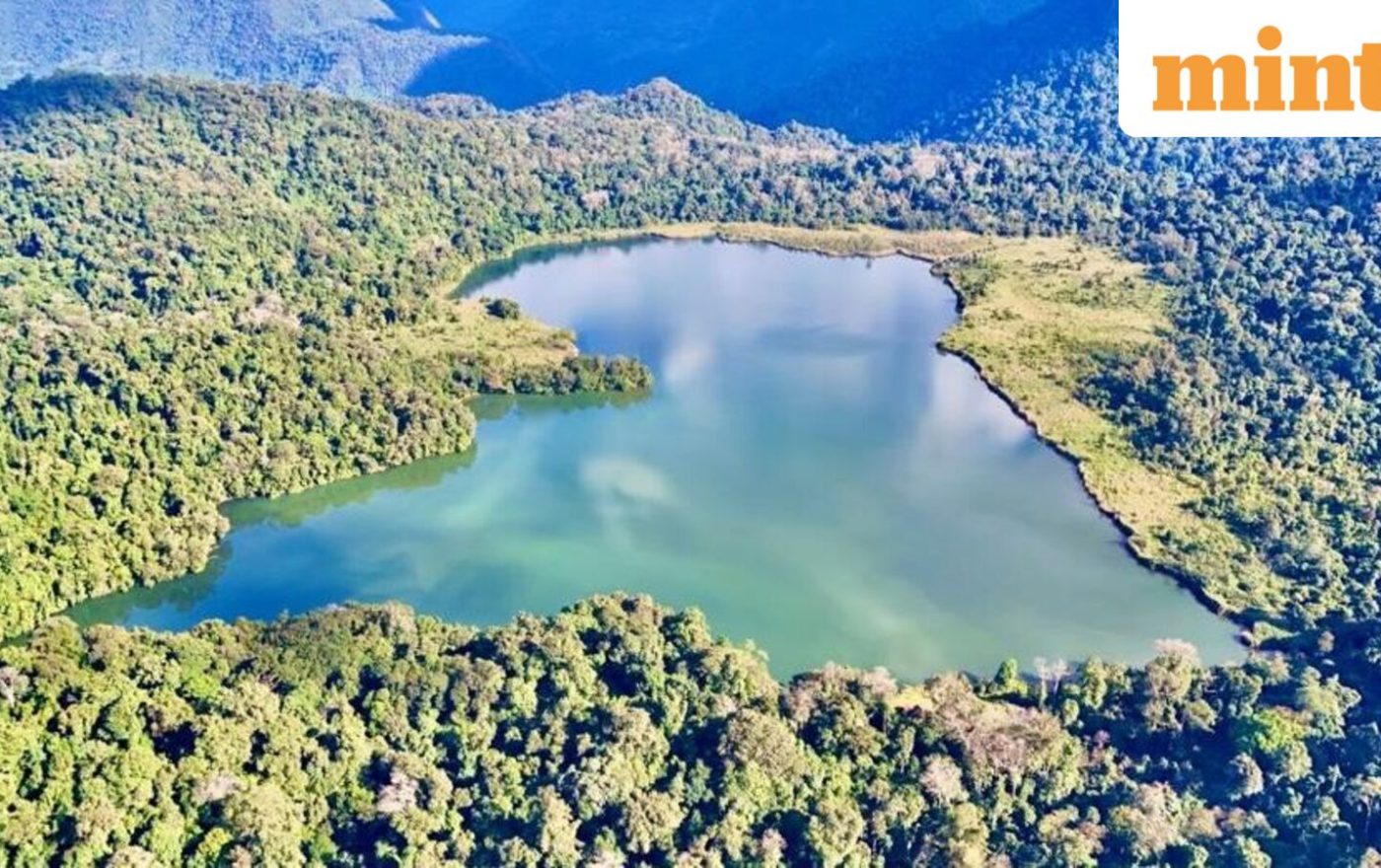
Theindiapostdaily.com – The Mint explainer series continues to illuminate how international designations are transforming environmental policy in India. On 3 August, the nation officially recognized Glaw Lake as its 101st Ramsar Site, marking a significant milestone in wetland preservation. This designation also makes Glaw Lake the first Ramsar site in Arunachal Pradesh, highlighting the northeastern state’s commitment to ecological conservation. Located within the boundaries of the Kamlang Tiger Reserve and Wildlife Sanctuary, this freshwater lake represents a critical biodiversity hotspot in the eastern Himalayas.
Understanding the Ramsar Convention’s Impact
The Ramsar Convention on Wetlands, established in 1971, serves as a global treaty for the conservation and sustainable use of wetlands. Under this framework, member countries identify wetlands of international importance and implement measures to protect them. India has been an active participant since 1981, progressively expanding its list of designated sites. Each new Ramsar designation brings with it international recognition, enhanced funding opportunities, and strengthened conservation protocols. The Mint explainer analysis reveals that this systematic approach is reshaping how India manages its wetland ecosystems.
Glaw Lake’s inclusion in the Ramsar network underscores the growing recognition of northeastern India’s wetland systems. The lake’s location within a tiger reserve creates a unique conservation landscape where both aquatic and terrestrial biodiversity benefit from protected status. Local communities, researchers, and government agencies now work under a unified framework to ensure the lake’s long-term sustainability.
Strategic Benefits of Ramsar Recognition
Ramsar designation provides multiple layers of benefit for wetland conservation. Internationally, it signals commitment to global environmental goals and opens doors for technical assistance and financial support. Domestically, it strengthens legal protections and encourages integrated water resource management. The Mint explainer notes that these designations also promote eco-tourism, creating economic opportunities for local populations while incentivizing conservation efforts.
India’s current roster of 101 Ramsar sites spans diverse ecosystems, from coastal mangroves to mountain lakes. Each site contributes to national biodiversity targets and climate resilience strategies. The addition of Glaw Lake demonstrates the country’s dedication to protecting not just large, well-known wetlands, but also smaller, ecologically significant water bodies that might otherwise be overlooked.
Conservation authorities are now implementing monitoring programs to track water quality, species populations, and habitat conditions at Glaw Lake. These efforts align with broader national wetland conservation policies and contribute to India’s commitments under international environmental agreements.
Looking Ahead: Future Wetland Priorities
As India continues to expand its Ramsar network, experts emphasize the need for community involvement and scientific research. The Mint explainer highlights that successful wetland conservation requires balancing ecological needs with human livelihoods. Future designations are expected to focus on underrepresented regions and ecosystems facing increasing pressure from development and climate change.
The recognition of Glaw Lake serves as a model for how smaller wetlands can gain international attention and protection. With proper management and continued investment, India’s wetlands can play a crucial role in maintaining biodiversity, supporting water security, and mitigating climate impacts for generations to come.
Frequently Asked Questions
What is the Ramsar Convention? The Ramsar Convention is an international treaty established in 1971 for the conservation and sustainable use of wetlands of international importance.
Why is Glaw Lake significant? Glaw Lake is India’s 101st Ramsar Site and the first in Arunachal Pradesh, located within the Kamlang Tiger Reserve and Wildlife Sanctuary.
How many Ramsar sites does India have? As of August 2024, India has designated 101 wetlands as Ramsar Sites, making it one of the countries with the most designated wetlands globally.