NTSB, FAA launch probe after Marine One with Donald Trump on board came too close to passenger jet above Washington
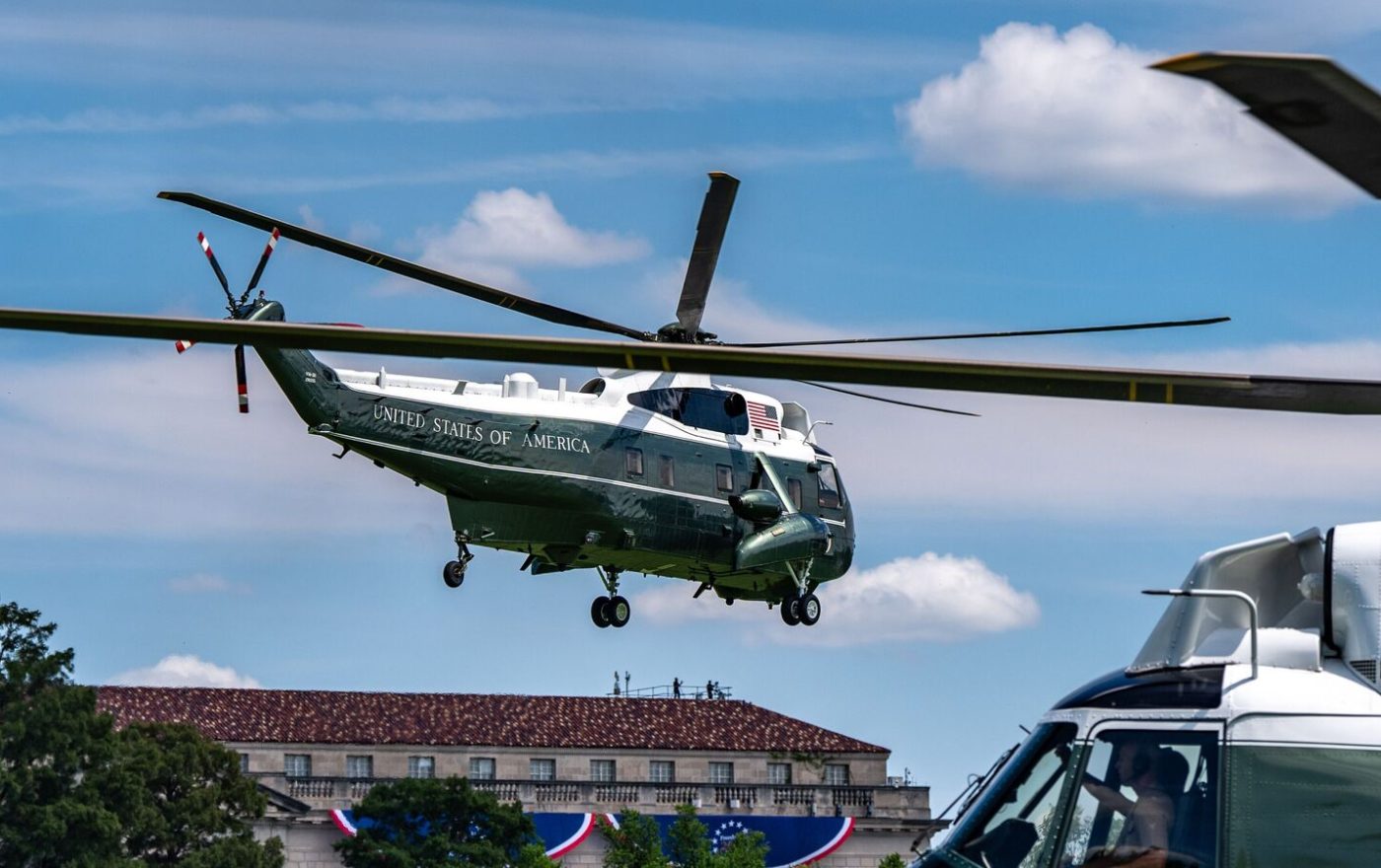
The NTSB FAA launch probe after a concerning incident involving Marine One carrying President Donald Trump. According to reports, the presidential helicopter
NTSB FAA Launch Probe After Marine One Near Miss Above Washington
Theindiapostdaily.com – The NTSB FAA launch probe after a concerning incident involving Marine One carrying President Donald Trump. According to reports, the presidential helicopter came dangerously close to a commercial passenger jet while operating above Washington, D.C. on Tuesday afternoon. The National Transportation Safety Board and the Federal Aviation Administration are now conducting a joint investigation into what may have been a serious aviation safety breach. This incident has raised questions about air traffic coordination during high-profile presidential movements.
The New York Times first reported the incident, noting that Marine One departed from the White House helipad on Tuesday afternoon. As the presidential helicopter made its way through Washington airspace, it came within less than one mile of a commercial aircraft departing from Ronald Reagan Washington National Airport (DCA). The proximity between the two aircraft was considered significant enough to warrant immediate investigation by aviation authorities. Passengers aboard the commercial flight may have noticed the presidential helicopter during their departure.
Understanding the Loss of Separation Event
The NTSB confirmed that it is investigating a reported loss of separation event between Marine One and a commercial aircraft. This type of incident occurs when two aircraft come closer together than the minimum required distance, potentially creating a collision risk. According to official statements, the event took place on August 4, though details about the exact timing and altitude of both aircraft are still being compiled. The FAA stated that the air traffic controller was actively communicating with both the commercial pilot and the Marine One pilot during the critical moment.
Experts suggest that garbled communications may have contributed to the incident. Reports indicate that there were issues with radio transmissions between air traffic controllers and the Marine One crew during the helicopter’s departure. These communication problems could have delayed the necessary coordination to ensure safe separation between the presidential aircraft and commercial traffic. The investigation will likely examine whether protocol violations or equipment issues played a role in the near miss.
Marine One operations typically involve strict airspace management, with air traffic often suspended in certain areas when the president is traveling. However, this incident suggests that the normal procedures may not have been fully implemented or may have encountered unexpected challenges. The White House helipad is located on the South Lawn of the White House, and helicopters departing from this location must navigate through busy Washington airspace that includes multiple airports and flight corridors.
The FAA emphasized that President Trump was never in danger during the incident. Officials stated they are continuing to review all aspects of the incident and will implement appropriate corrective actions based on their findings. The investigation may result in changes to how Marine One coordinates with commercial air traffic, particularly during peak hours when Washington airspace is most congested. Aviation safety experts will be monitoring the investigation closely to ensure thorough analysis.
What This Means for Presidential Air Travel
This incident highlights the complex challenges of coordinating presidential air travel in one of America’s busiest airspace regions. Washington, D.C. is home to multiple airports, including Reagan National, Dulles International, and Baltimore-Washington International, creating a dense network of flight paths. When Marine One operates in this area, it must navigate carefully to avoid conflicts with commercial, military, and private aircraft.
The NTSB and FAA have a history of conducting thorough investigations following aviation incidents. In this case, investigators will likely review radar data, communication recordings, and witness statements to reconstruct the exact sequence of events. The findings could lead to recommendations for improved procedures, better equipment, or additional training for air traffic controllers and Marine One pilots.
“The President was never in danger. We are continuing to review the incident and will implement any appropriate corrective actions based on our findings,” the FAA stated in its official response to the incident.
Frequently Asked Questions
What is a loss of separation event? A loss of separation event occurs when two aircraft come closer together than the minimum required distance, creating a potential collision risk. The exact minimum distance varies depending on altitude and airspace classification.
Where did Marine One depart from? Marine One departed from the White House helipad located on the South Lawn of the White House in Washington, D.C.
Which commercial airport was involved? The commercial aircraft was departing from Ronald Reagan Washington National Airport, commonly known as DCA, which is located in Arlington, Virginia, just across the Potomac River from Washington, D.C.
What happens next in the investigation? The NTSB and FAA will review radar data, communication recordings, and other evidence. They may issue preliminary findings and eventually publish a comprehensive report with recommendations for preventing similar incidents.
Has this type of incident happened before? While not common, there have been instances of Marine One coming close to commercial aircraft in the past. Each incident is investigated individually to determine the specific causes and implement appropriate corrective measures.
Will this affect future presidential travel? The investigation may lead to changes in procedures for coordinating Marine One with commercial air traffic. Any recommendations will be implemented to ensure the highest level of safety for presidential flights.