H-1B visa extension fees could rise: What employers need to know about Trump Admin’s proposal
The Trump administration is moving forward with a significant overhaul of the H-1B visa program that could substantially raise costs for American employers
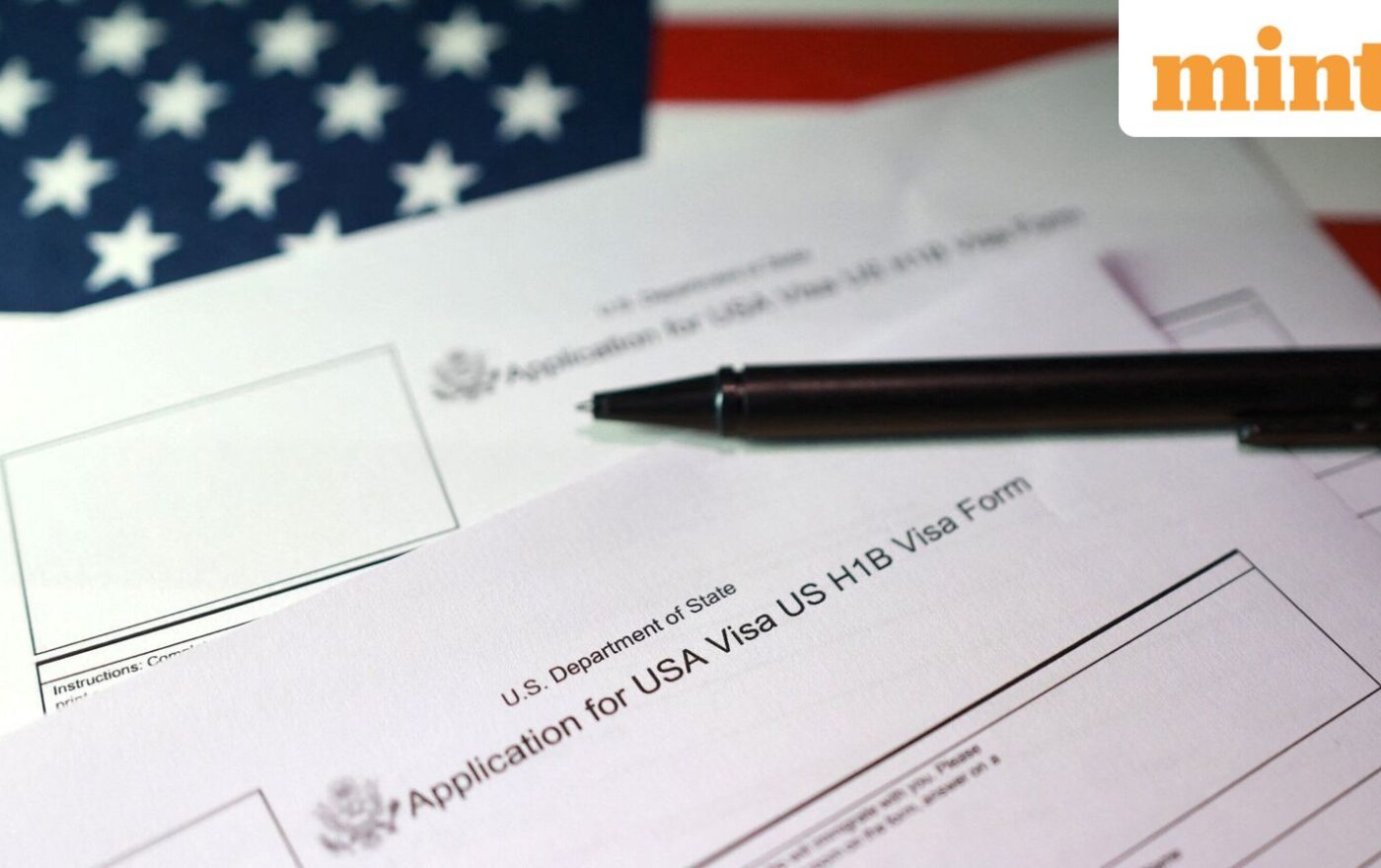
H-1B Visa Extension Fees Set to Increase Under New Proposal
Theindiapostdaily.com – The Trump administration is moving forward with a significant overhaul of the H-1B visa program that could substantially raise costs for American employers. Central to this change is a proposed expansion of an existing government fee to cover H-1B visa extension petitions. This adjustment would add financial pressure on companies that rely heavily on foreign skilled workers, particularly in the technology and consulting sectors.
Under the new proposal, qualifying employers would face an additional $4,000 fee for each H-1B extension and $4,500 for L-1 extensions. These charges would stack on top of existing USCIS filing fees, creating a notable increase in operational costs for businesses with large international workforces. The rule represents one of the most substantial modifications to H-1B filing expenses in recent memory.
Understanding the Fee Expansion
The proposed rule extends the scope of the 9-11 Response and Biometric Entry-Exit Fee, which currently applies only to initial H-1B and L-1 visa petitions and change-of-employer petitions. The Department of Homeland Security (DHS) argues this amendment clarifies congressional intent by ensuring the fee applies uniformly to all extension requests, regardless of whether the employee changes employers during the extension period.
According to DHS officials, the expanded fee is designed to generate additional funding for the government’s biometric entry-exit system. The department contends that revenue from the existing fee has become insufficient to maintain and expand biometric screening infrastructure at U.S. borders. The additional collections would support Customs and Border Protection (CBP) in maintaining current operations and expanding biometric systems to additional air, sea, and land ports.
Not all employers will be affected by this change. The additional fee applies only to companies that employ 50 or more workers in the United States and have more than 50% of their workforce in H-1B or L-1 status. These thresholds remain unchanged under the proposal, meaning smaller businesses and those with lower concentrations of foreign workers will continue to operate under the current fee structure.
The proposal was first published in the Federal Register in June 2024 as a Notice of Proposed Rulemaking. It later appeared in the Trump administration’s 2026 Unified Regulatory Agenda as a pending final rule, indicating the administration intends to complete the regulation in the coming weeks. However, the proposal has not yet taken effect, and employers will continue to follow the current fee structure until DHS issues a final rule and specifies its effective date.
What Employers Should Know
While the rule would continue to apply to petitions filed through September 30, 2027, companies should prepare for potential cost increases. The additional biometric fee would be required every time covered employers seek to extend an H-1B or L-1 worker’s stay in the United States. For organizations with multiple employees requiring extensions, these costs could accumulate significantly over time.
The proposed H-1B visa extension fees represent a strategic effort to fund biometric infrastructure while potentially encouraging employers to reconsider their reliance on foreign talent.
Industry experts suggest that technology firms and consulting companies may need to adjust their hiring strategies and budget allocations in anticipation of these changes. The timing of the final rule implementation will be crucial for businesses planning their fiscal year expenditures and workforce management strategies.
Frequently Asked Questions
When will the new H-1B visa extension fees take effect? The rule has not yet been finalized. Employers should monitor DHS announcements for the official effective date, though the proposal targets implementation in the near future.
Which employers are exempt from the additional fee? Companies with fewer than 50 U.S. workers or those with less than 50% of their workforce in H-1B or L-1 status will not be subject to the additional biometric fee.
How much will the fee increase for H-1B extensions? Qualifying employers will pay an additional $4,000 per H-1B extension petition, on top of existing USCIS filing fees.
Does this fee apply to new H-1B petitions? No, the expanded fee specifically targets extension petitions. New H-1B petitions continue to be subject to the existing fee structure.