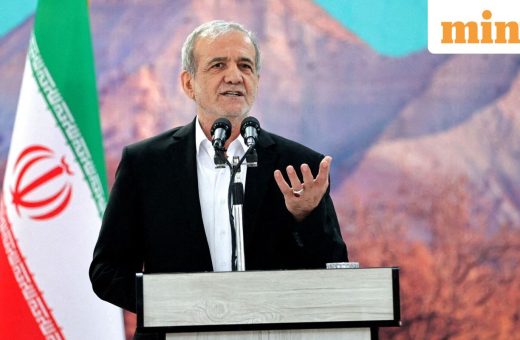
Proposed Iran-Oman deal could hand Tehran control over incoming ships, report says
A proposed Iran Oman deal could fundamentally alter maritime traffic through the Strait of Hormuz, according to new reports. The agreement would grant Tehran
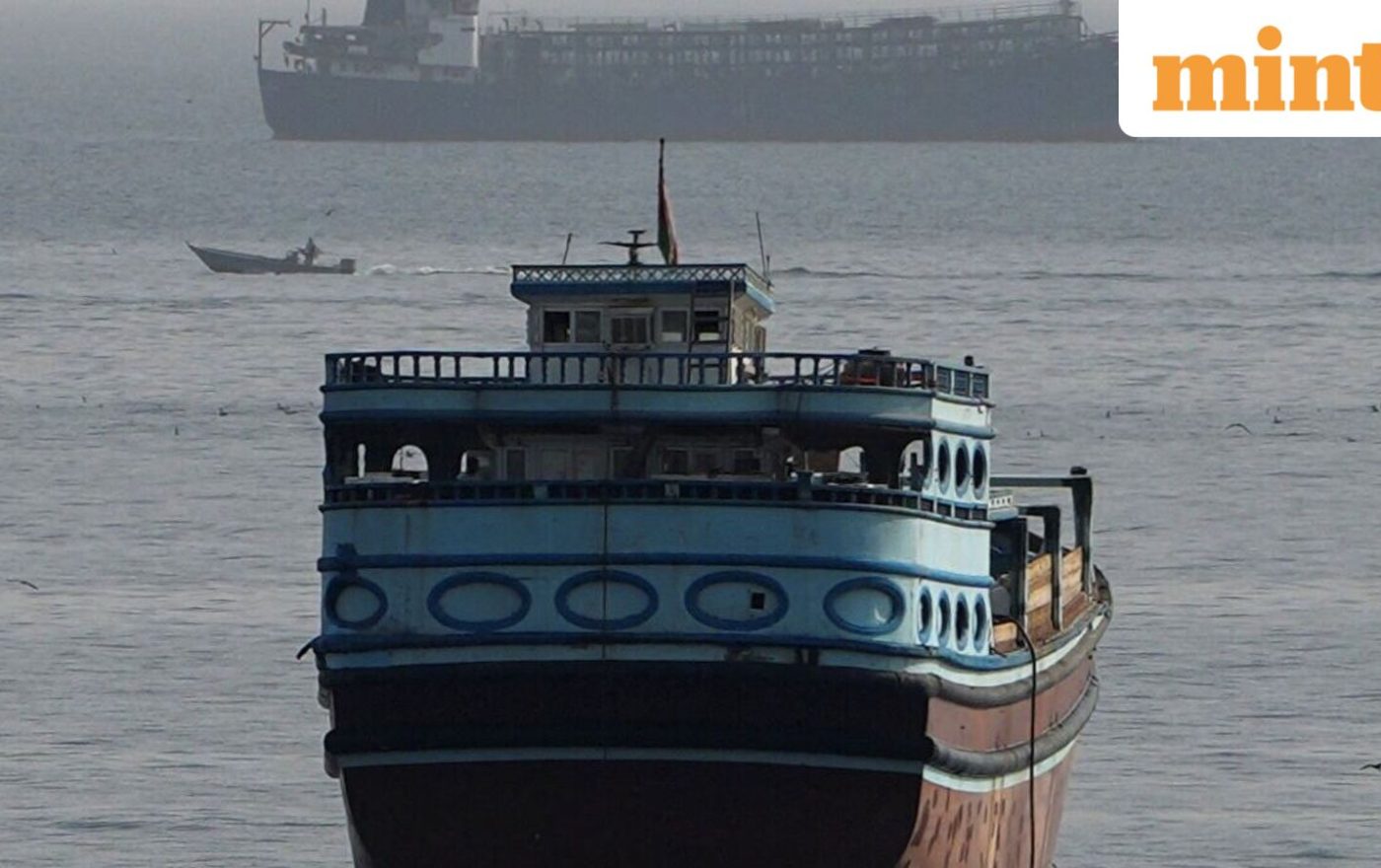
Proposed Iran Oman Deal Could Reshape Gulf Shipping
Theindiapostdaily.com – A proposed Iran Oman deal could fundamentally alter maritime traffic through the Strait of Hormuz, according to new reports. The agreement would grant Tehran significant authority over incoming commercial vessels navigating this critical waterway. This represents one of the most substantial concessions made during ongoing negotiations between the two nations.
The Strait of Hormuz has historically transported approximately one-fifth of global oil and liquefied natural gas shipments. Since military operations began against Iran on February 28, the strait has become a central point of international conflict. A proposed Iran Oman deal could potentially stabilize shipping routes while addressing Iranian security concerns.
Key Elements of the Agreement
Under the draft agreement, inbound commercial shipping through the Strait of Hormuz would fall under Iranian oversight. Negotiators continue discussing Tehran’s role regarding outbound vessels. One regional source indicated that “the concession has already been made regarding some form of control over Hormuz.”
Iran’s Deputy Foreign Minister Kazem Gharibabadi confirmed that negotiators reached “fundamental understandings” on maritime routes. He explained that the new arrangement ensures commercial ships pass through Iranian territorial waters on both inbound and outbound journeys. Proposed Iran Oman deal could establish a framework for regional oversight of ship inspections.
“A significant portion of this new route is located in Iranian territorial waters, and a part of it is in Omani territorial waters,” Gharibabadi stated.
International Reactions and Next Steps
US officials have consistently opposed any arrangement granting Iran authority over Hormuz access. A primary concern remains Iran’s proposal to charge transit fees ranging from 5% to 7% of cargo value. Oman has suggested lower charges around 3%, while Washington prefers no fees at all.
President Donald Trump indicated that an agreement to reopen the strait could be announced within days. However, Iranian officials cautioned that negotiations remain fragile and depend on resolving remaining details. The United Nations has welcomed diplomatic efforts without confirming a finalized agreement.
Oil prices experienced slight declines following reports of negotiation progress, though tensions persist in the region. A proposed Iran Oman deal could provide a pathway toward lasting stability in Gulf shipping corridors.
Frequently Asked Questions
What is the main purpose of the proposed Iran Oman deal? The agreement aims to establish Iranian control over incoming ships through the Strait of Hormuz while maintaining voluntary payment structures for transit fees.
How much would shipping companies pay under the new arrangement? Iran proposes fees of 5-7% of cargo value, while Oman suggests approximately 3%. The United States prefers no mandatory transit fees.
When might the agreement be finalized? President Trump indicated an announcement could come within days, though Iranian officials note that final details still require resolution.
What happens if negotiations fail? An Iranian source warned that “a single tweet from Trump could cause the whole thing to collapse,” highlighting the fragile nature of current talks.