Zero tolerance for negligence: Delhi CM cancels Dwarka medical store permit for denying medicines
Zero tolerance for negligence has become the defining principle of Delhi's public service delivery system. Chief Minister Rekha Gupta's administration
Zero Tolerance for Negligence: Delhi Cancels Medical Store Permit
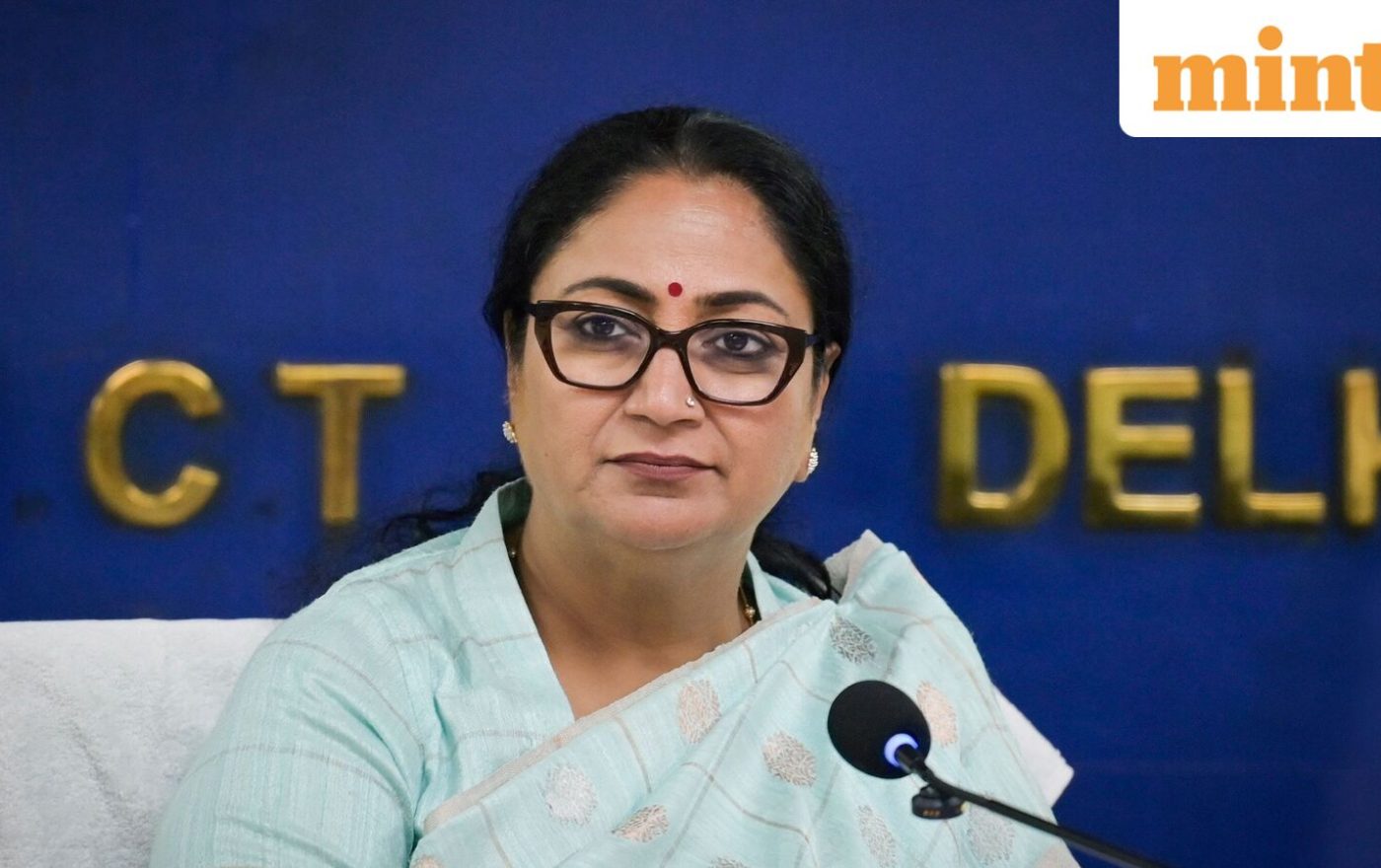
Theindiapostdaily.com – Zero tolerance for negligence has become the defining principle of Delhi’s public service delivery system. Chief Minister Rekha Gupta’s administration recently took decisive action by cancelling the permit of a medical store vendor in Dwarka who denied medicines to patients. This firm stance aligns with the newly approved Delhi (Right of Citizen to Time Bound and Ease of Delivery of Services) Bill, 2026, which received Cabinet approval on July 15. The legislation supersedes the 2011 version and creates a comprehensive framework for ensuring accountability in government services.
New Legislation Strengthens Citizen Rights
The 2026 Bill transforms government service delivery from a discretionary commitment into a legal entitlement. Citizens now have the right to receive services within specified timeframes, with clear consequences for officials who fail to comply. Currently, 560 government services operate under this mechanism across Delhi. Officials who miss deadlines face daily penalties of ₹250, with maximum fines reaching ₹5000. When applications are rejected without proper justification, penalties range from ₹250 to ₹5000.
The escalation mechanism ensures that unresolved grievances receive proper attention. Cases automatically move to the Citizen Grievance Redressal Authority, and if no resolution occurs within the designated period, matters escalate to the Delhi Right to Service Commission. This multi-tiered approach ensures that citizens have multiple avenues for seeking redressal when services are delayed or denied.
Vendor’s License Cancelled After Viral Incident
The Dwarka incident occurred at the Jan Aushadi Kendra located in Indira Gandhi Hospital’s Sector 9. On Tuesday, the vendor refused to supply medicines to patients and their attendants, citing that “the floors are being mopped” as the reason. A video captured the vendor telling frustrated customers to “go and complain to anyone you want,” which quickly spread on social media.
Public service is non-negotiable, and there will be zero tolerance for negligence, indifference or abuse of authority.
Chief Minister Rekha Gupta addressed the situation directly in a video message shared on social media. She emphasized that refusing essential medicines simply because cleaning work was underway was completely unacceptable behavior. The CM confirmed that the vendor’s license would be cancelled as a result of this incident, demonstrating the government’s commitment to strict accountability.
In her X platform post published on Tuesday, the CM reiterated her commitment to maintaining high standards in public service delivery. The decision came just one day after the viral video brought the incident to official attention, according to PTI reports. The swift action sent a clear message to all government vendors and service providers across the capital.
Refusing to provide something as essential as medicine because the floor is being mopped is simply unacceptable.
The CM further stated that such conduct represented a clear failure in public service obligations. The cancellation of the vendor’s license demonstrates the government’s determination to ensure that citizens receive timely and uninterrupted access to essential services without arbitrary excuses or delays. This incident serves as a reminder that public service is a fundamental responsibility, not a privilege.
Frequently Asked Questions
What are the penalties for officials under the new Delhi service bill?
Officials who fail to deliver services within specified timeframes face penalties of ₹250 per day, with maximum fines reaching ₹5000. When service applications are rejected without valid reasons, penalties range between ₹250 and ₹5000. These penalties are automatically enforced through the Citizen Grievance Redressal Authority.
How can citizens file grievances under the new legislation?
Citizens can file grievances through multiple channels. Initially, complaints go to the Citizen Grievance Redressal Authority. If no resolution occurs within the designated period, matters escalate to the Delhi Right to Service Commission. Citizens can also approach the CM’s office directly for urgent matters.
How many government services are covered under the new bill?
Currently, 560 government services fall under the Delhi (Right of Citizen to Time Bound and Ease of Delivery of Services) Bill, 2026. This includes essential services like healthcare, education, housing, and various municipal services that citizens rely on daily.
What happens if a vendor violates service delivery norms?
Vendors who violate service delivery norms face immediate action, including permit cancellation. The Dwarka medical store vendor’s permit was cancelled after refusing medicines to patients. Repeat offenders may face additional penalties and longer-term suspension of their licenses.
For more information on Delhi government services and citizen rights, visit Livemint India News for comprehensive coverage of policy developments and implementation updates.